



























Economic Journal
 OPEN Start

 Hollywood, JSC
Mendocino, JSC
LA SOCIETY
SF SOCIETY
NY SOCIETY
Open START Drills
Hollywood, JSC
Mendocino, JSC
LA SOCIETY
SF SOCIETY
NY SOCIETY
Open START Drills
Talk Daily Commodities Review LATPACT Open Market Equities Report Currency Central
 Open START Highlights
 |
|

|
|
|
 SOCIETY Trust Fund LATPACT Trust Fund The Muni Market Far West (SEZ) Trust RIM of Nations Trust
Arctic Pact Trade Zone | Upper Rhine Zone | Lower Rhine Zone | Middle Rhone Basin
Shades of Time Gallery
Shades of Time Gallery
 The Rupee Trial
June
Stand With Justice

New Silk Road List
CIS List
Central Basin List
African Union List
TEN List
Lower Rhine List
*10K Venture Lists
Main Gallery | Notifications | Most Read
Journal Highlights
Project: SuperGrid

Open Market News
---
---
---
---
---
 Situation: Bottom Line
|
 |
 |
 |
|
Gallery
|
|
|
US Lacking Economic Roadmap to Sustain War on Drugs
30.04.2026
20:54 PST



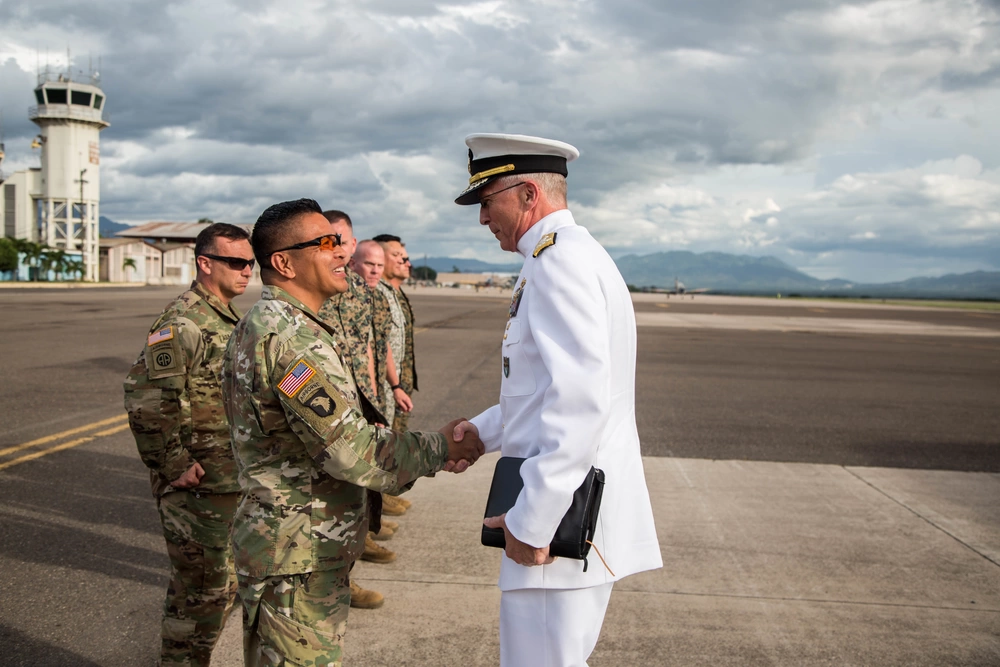
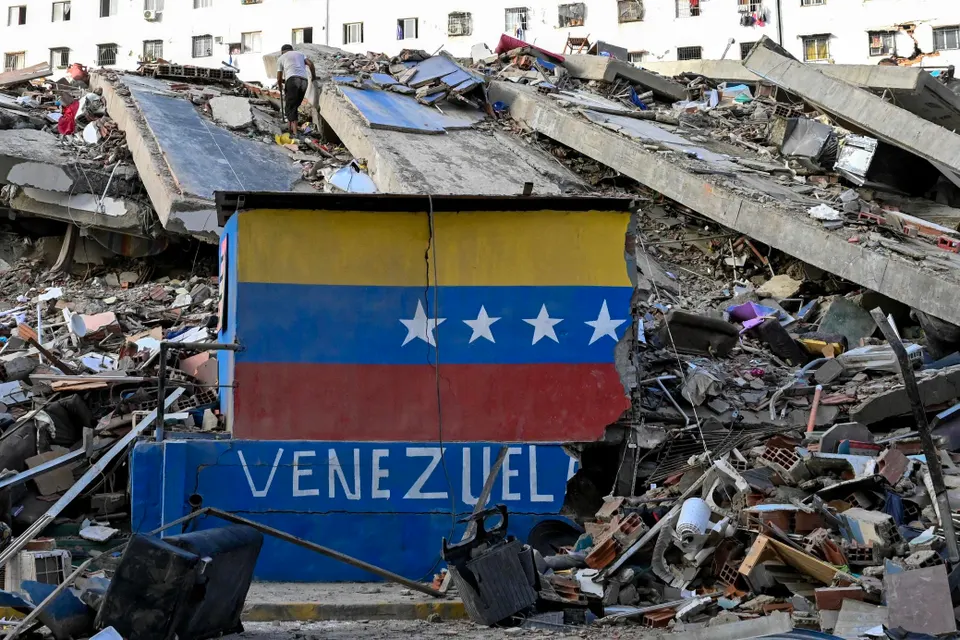
SF Bay Area, CA – Hastily, in November 2019, the US SOUTHCOM Naval Commander stated in a public interview, "There’s been over a 50 percent increase of narcotrafficking in and through Venezuela, and Maduro and his cronies are lining their pockets, in cahoots with the illicit narcotrafficking." Permanently, the US decision to pursue narcoterrorism charges against Nicolas Maduro with the Kingpin Act undermines congressional authority for a war on drugs. Simply, the Kingpin Act limits government authority in a war on drugs while destabilizing the US economy with excessive budgetary demands to combat illegal migration. Analytically, the US SOUTHCOM Commander has asserted data from the US Consolidated Counterdrug Database (CCDB) to assemble a military raid against the Venezuelan regime and its political allies.
Systematically, US intelligence against Nicolas Maduro is mired in cross-border reports of a rising organized criminal network of paramilitaries migrating to the US. Specifically, narcoterrorism charges against Nicolas Maduro omits information and intelligence from the inner war on drugs which began in Mexico. Importantly, new assessment of the intelligence provided by the US SOUTHCOM Commander depicting Venezuela as a narcostate is critical to regional stability.
Stay tune for... Radio News Los Angelas
Apprehensively, the US lacks the intelligence to sustain a spiraling war on drugs through questioning the financial flows of Venezuela. Diplomatically, severe repurcussions exists behind malicious US provocations against the Venezuelan government as accusations of narcoterrorism are rejected over lack of an economic roadmap in the region. Amply, US intelligence has highlighted by what means paramilitary members of drug cartels entrust their assets while maintaining leadership roles in various companies belonging to their network. Exceedingly, accusations against Venezuela of funding a narcostate carries a major price for US oil majors.
| Keywords: | US SOUTHCOM Commander |
Nicolas Maduro |
oil majors |
narcoterrorism |
[Top]
Rules of Engagement
|
 |
 |
 |
|
Gallery
|
|
|
|
Factions of ISIL are Resurfacing in Somalia
10.04.2026
16:14 PST
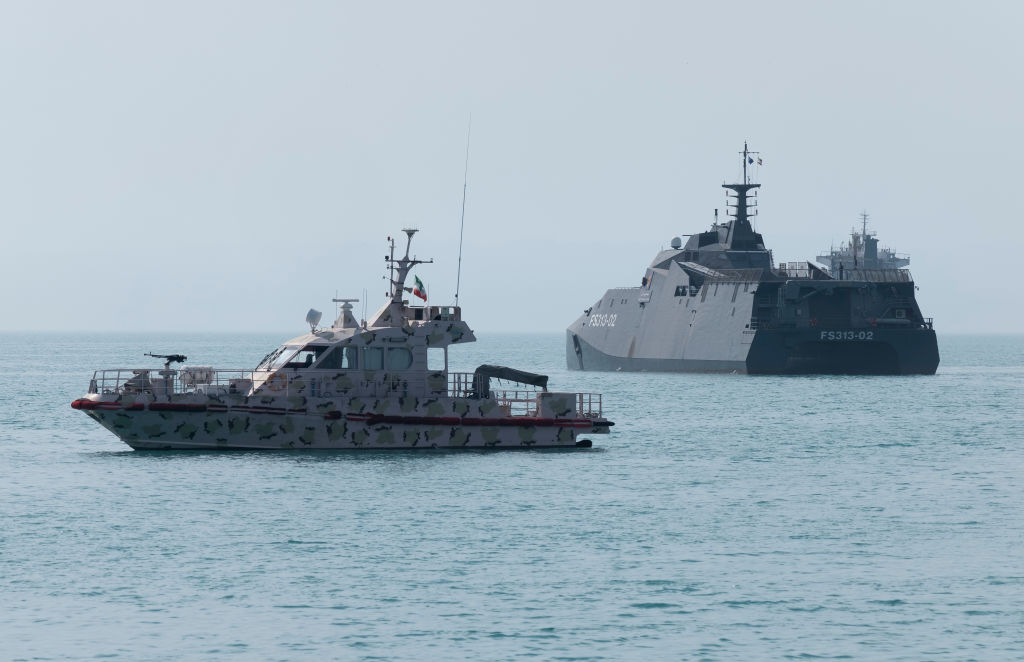
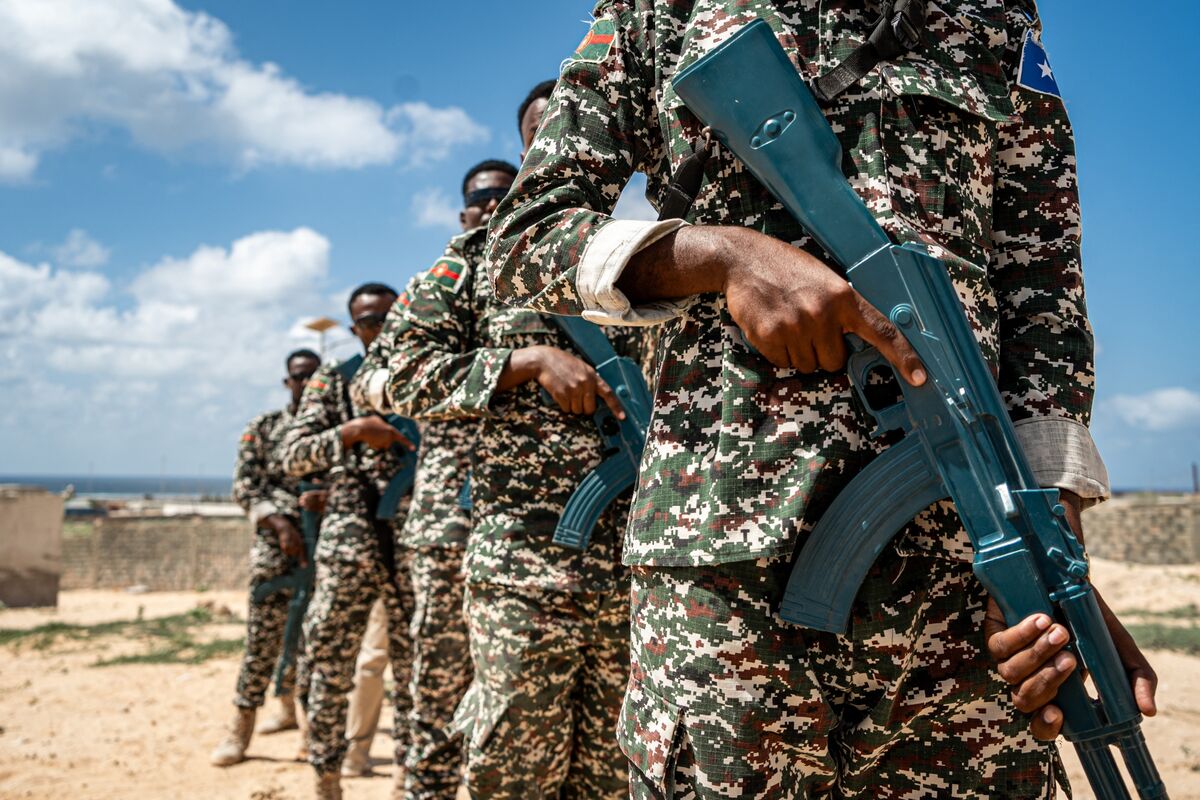
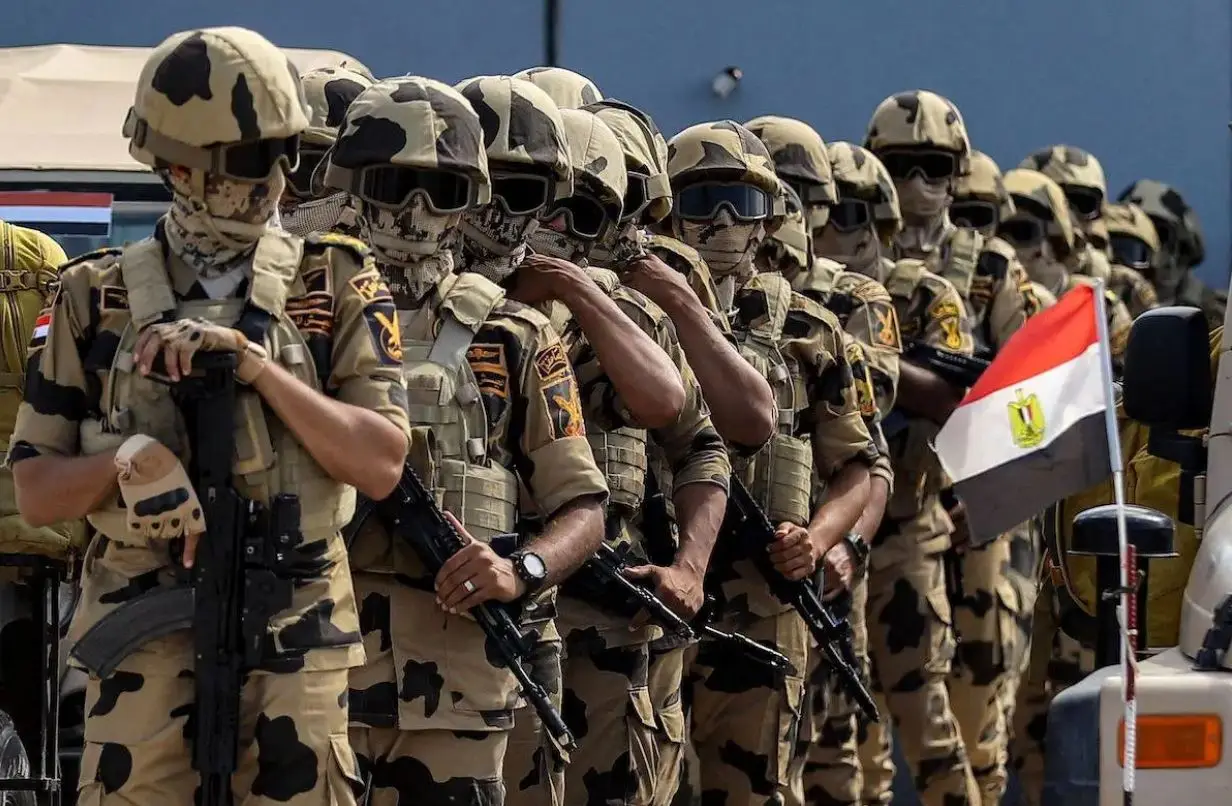
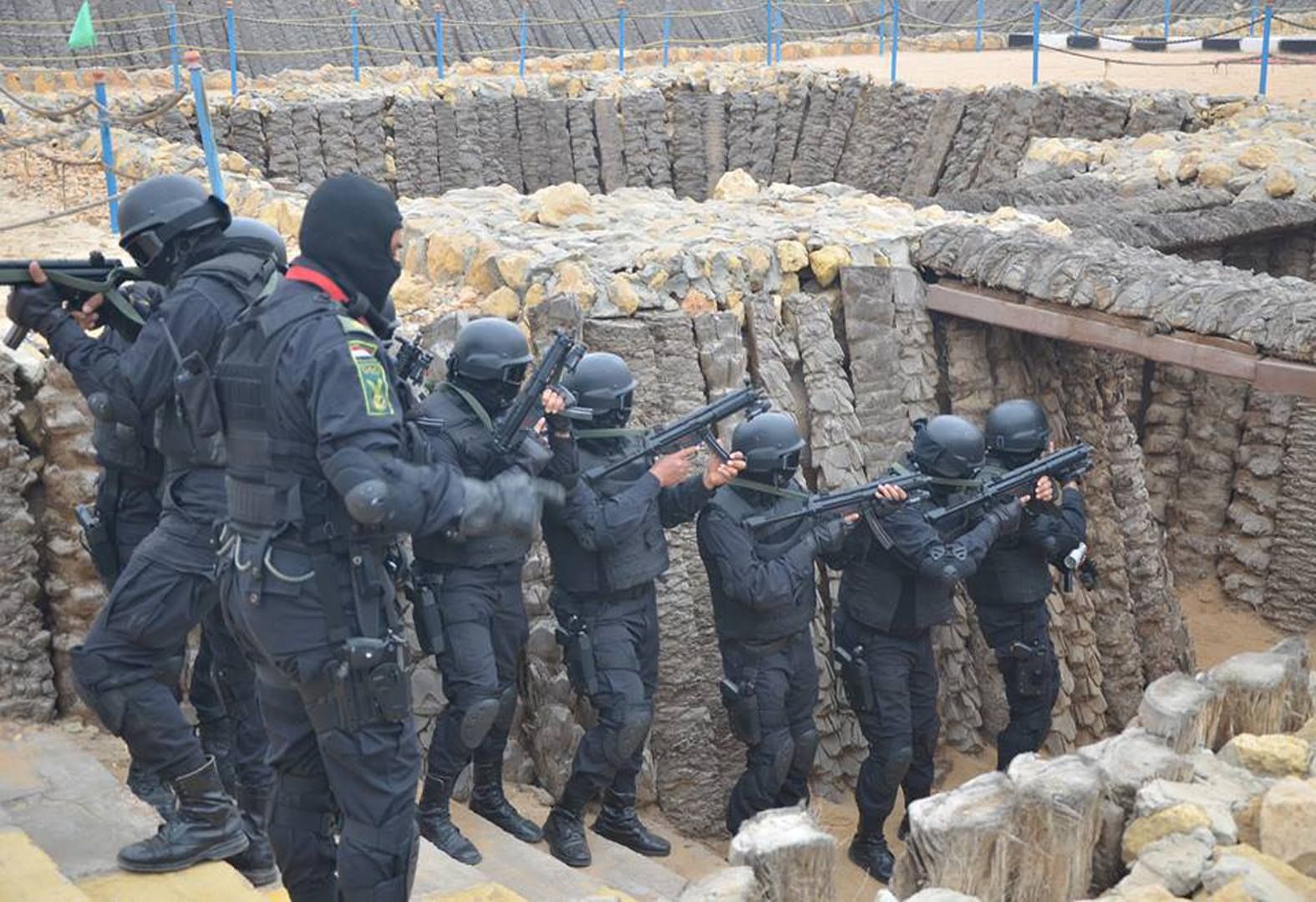
SF Bay Area, CA – Geographically, factions of ISIL remain isolated in parts of Africa as rising tensions over the Israel-Iran war triggers broader military cooperation in the Middle East. Agilely, jihadist for an Islamic State militia are using the coast of Somalia to initiate political war crimes and domestic terrorism. Substantially, local authorities have engaged in a full-scale offensive to drive out rising factions of ISIL militants from various remote mountainous areas. Additionally, Egypt has reaffirmed its strategic border positions for broader security over expansion of the Israel-Iran war. Recently, Egypt's Defence Minister Lieutenant General Ashraf Salem Zaher assured combat readiness for the Third Field Army and the East Canal Counterterrorism Forces.
Industriously, the East Canal Counterterrorism Forces are cooperating with intelligence gathering while expanding ties with Lebanon to ensure combat efficiency. Feasibly, maritime security for the Red Sea and Suez Canal diminishes the regional threat of emerging factions of ISIL militia.
DETAILS TO FOLLOW
| Keywords: | Somalia |
ISIL |
Egypt |
[Top]
US Gulf Coast
|
 |
 |
 |
|
Gallery
|
|
|
|
Energy Crisis Looms in California Behind US Military Conflicts
08.06.2026
12:50 PST
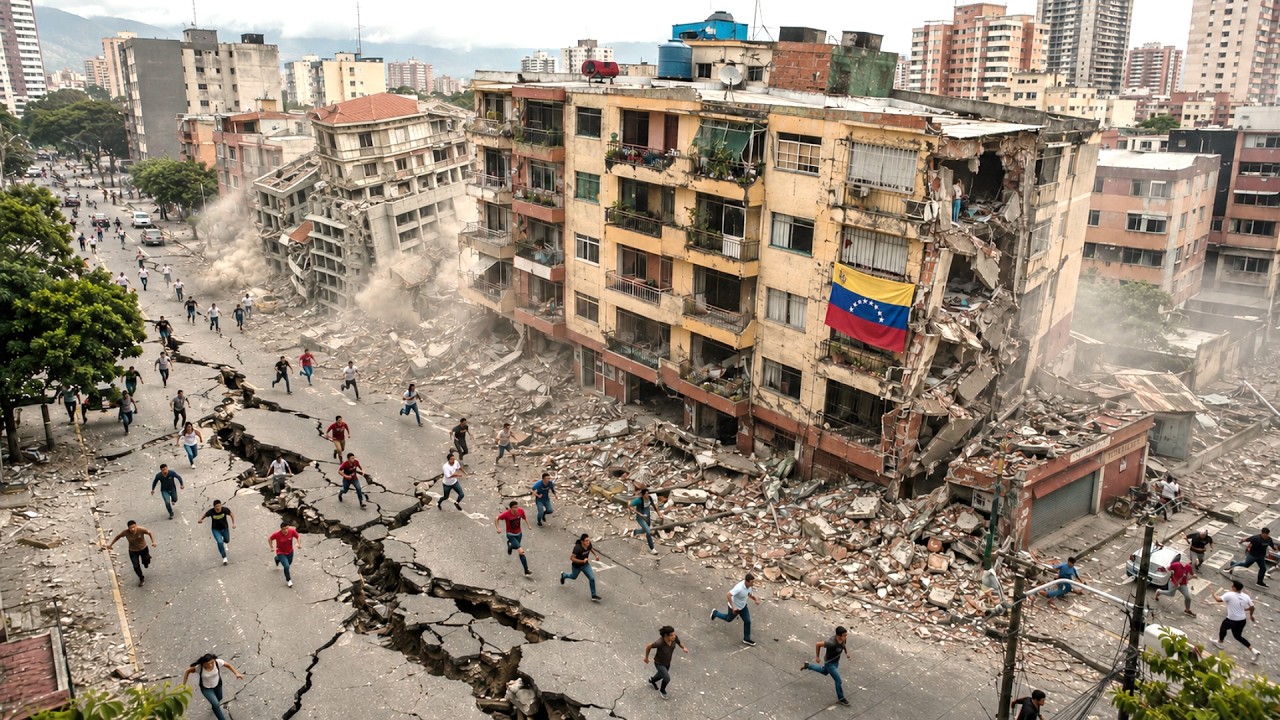
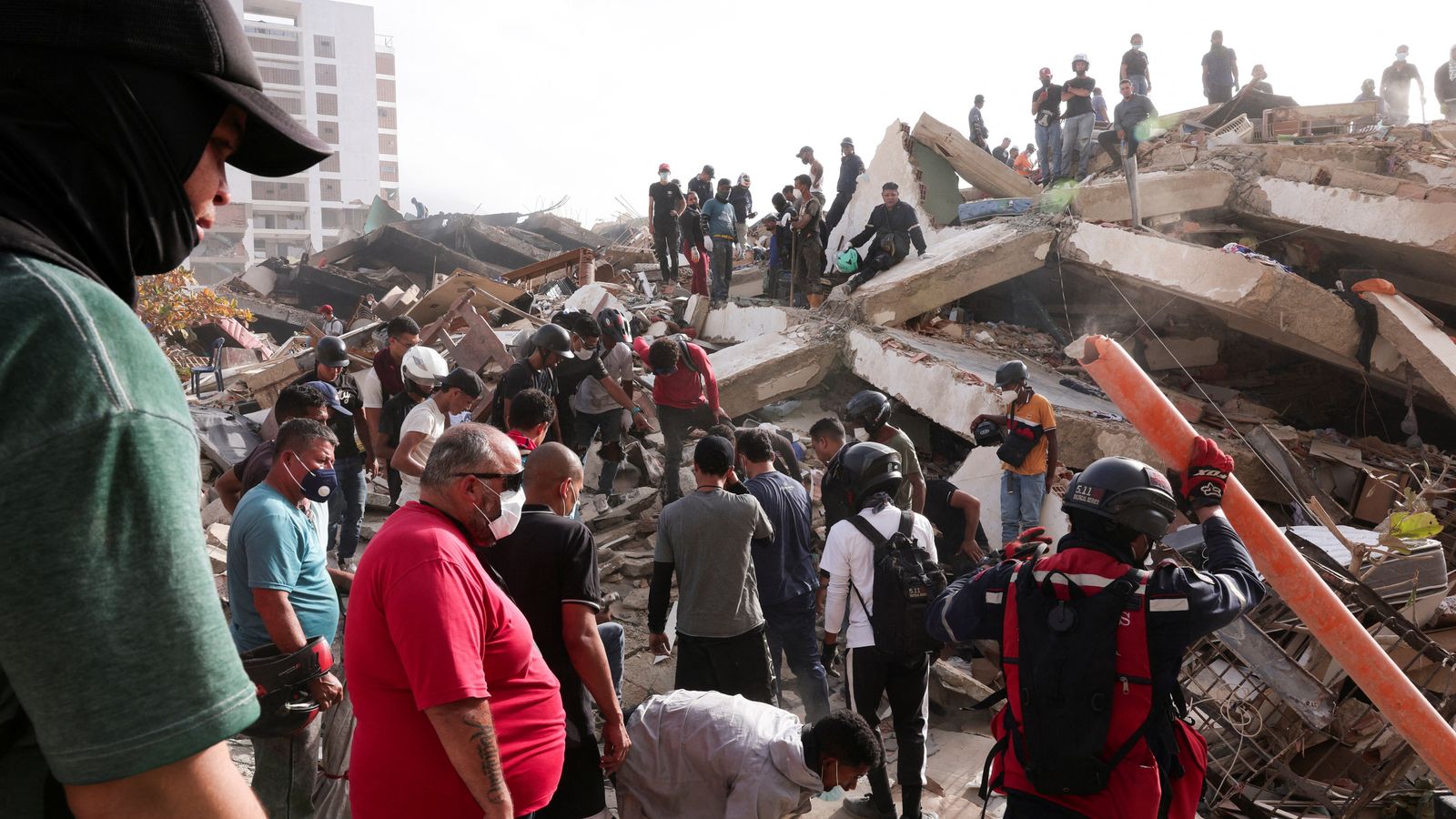
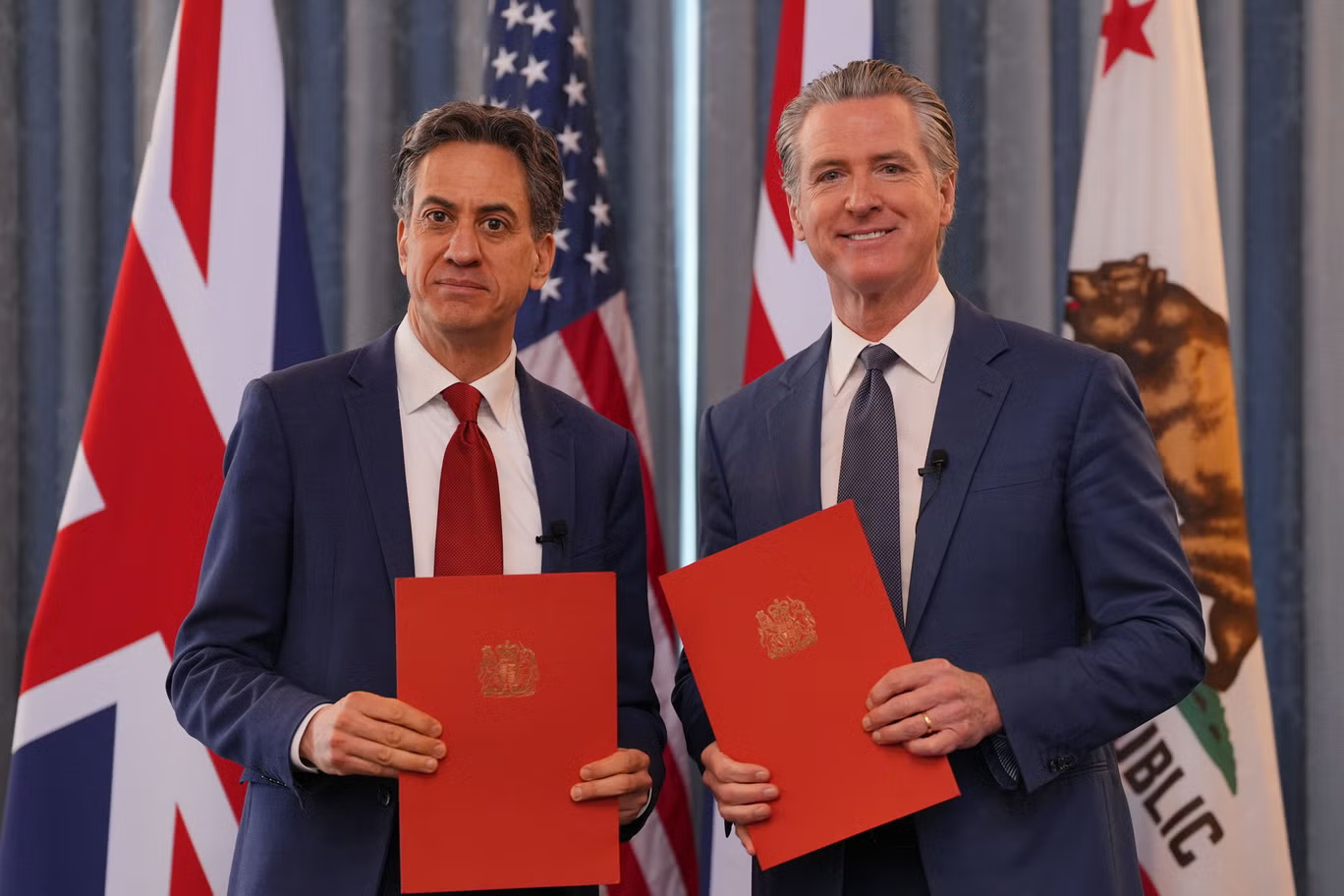
SF Bay Area, CA – Fiscally, California is lagging in an energy crisis which deepens with longevity from the Iran-Israel war. Unequivocally, the US delivered crude to California from its strategic reserves for the first time as the energy crisis expands with political redtape. Presently, the US strategic reserves has the capacity for 714 million barrels of crude in which the current inventory is around 395.3 million barrels. Literally, the current amount of strategic oil reserves in the US sums up between 19 - 60 days of supply. Essentially, California's energy crisis stems with crude being blocked from Asia over the Iran war which has established major volatility in the global markets.
Accordingly, Debnil Chowdhury, head of refining for S&P Global Energy stated, "California is a uniquely isolated fuel market. It’s not surprising to see barrels from the Strategic Petroleum Reserve sent west." Geographically, the US stategic petroleum reserve is located underground in Texas and Louisiana.
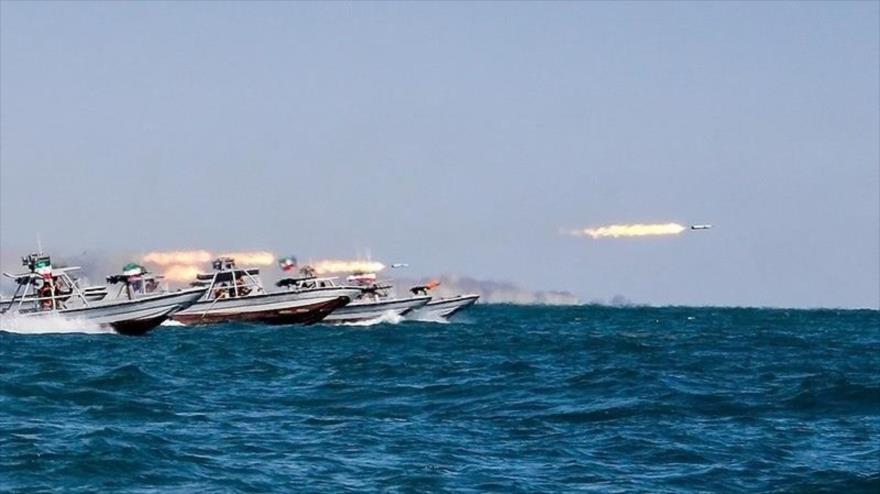
Meanwhile, California has lost over 18% of its refining capacity as Chevron continues chartering supertankers from Panama to fill current shortages. Additionally, Chevron is reverting in production over the Israel-Iran war with plans to buy oil from Sable Offshore to meet developing supply shortages. Mechanically, the US navy augments the energy crisis for California as border control hostilities awaken a war in Asia. Particularly, offshore oil on the US Pacific Coast is exported to Asia which may counteract over the Israel-Iran war. Transparently, the US naval blockade of the Strait of Hormuz is igniting a broader regional conflict to refute UN security resolutions in armed conflicts.
| Keywords: | strategic petroleum reserves |
Chevron |
energy crisis |
[Top]
Gulf of Mexico Resurging With Offshore Drilling Projects

08.06.2026
17:11 PST
SF Bay Area, CA – Preemptively, offshore drilling projects for the Gulf of Mexico equalize riposte as oil majors scale back in onshore oil and gas drilling. Similarly, the Trump administration has given the signal to boost deep-water drilling in California and the Gulf of Mexico with an expansive National Offshore Leasing Program. Publicly, US Secretary of the Interior Doug Burgum explained, “The Biden administration slammed the brakes on offshore oil and gas leasing and crippled the long-term pipeline of America’s offshore production. By moving forward with the development of a robust, forward-thinking leasing plan, we are ensuring that America’s offshore industry stays strong, our workers stay employed, and our nation remains energy dominant for decades to come.”
Effectively, the Trump administration is slumped between new mandates which channel resources for offshore drilling and national security loopholes behind the plunder of Venezuelan oil resevoirs. Relatedly, oil supplies in Cuba outweigh shifts from the Venezuelan plot as the risk of a global energy crisis persists over US sanctions and military embargoes.
DETAILS TO FOLLOW
| Keywords: | Gulf of Mexico |
offshore drilling |
[Top]
CELAC Gains Momentum for Latin American Currency Union
08.06.2026
19:40 PST
SF Bay Area, CA – Significantly, Latin America is moving into a dismantling posture against US military aggression in the Caribbean Sea while gaining momentum for a currency union. Firstly, the US war on drugs against Venezuela marks a pivotal shift in security protocols for CELAC member states. Judiciously, CELAC members are set up for maritime control of the Panama Canal through the formation of a currency union. Essentially, the US war on drugs against Venezuela becomes eradicated as cooperation for mobile anti-ship battery brigades within CELAC communities dismantles US naval embargoes. Secondly, such cooperation includes development of various hypersonic cruise missiles and UAVs to commence negotiations for a currency union.
Explicitly, modernization with hypersonic intermediate range missiles empower CELAC members in force-posture related development. Likewise, tensions behind the US carrier strike group in the Caribbean Sea to intimidate Cuba with a military embargo is reaching unmatched territory.
Politically, a new currency union for CELAC member states reduces civil unrest as risks from opposition parties become obsolete. Presently, unrest in Venezuela, Bolivia and Cuba are being closely monitored as free trade agreements are established for a currency union to substantiate exports. Finally, CELAC is poised for economic integration throughout several key industries. Fundamentally, integration within the energy, aerospace, education and agriculture industries add momentum for a new currency union. Patiently, CELAC is gearing up to offset the US dollar’s dominance in the region through force-posturing for stability.
| Keywords: | CELAC |
currency union |
free trade agreements |
[Top]
Cuba Remains Cornerstone of Western Political Rivalry
10.06.2026
21:17 PST
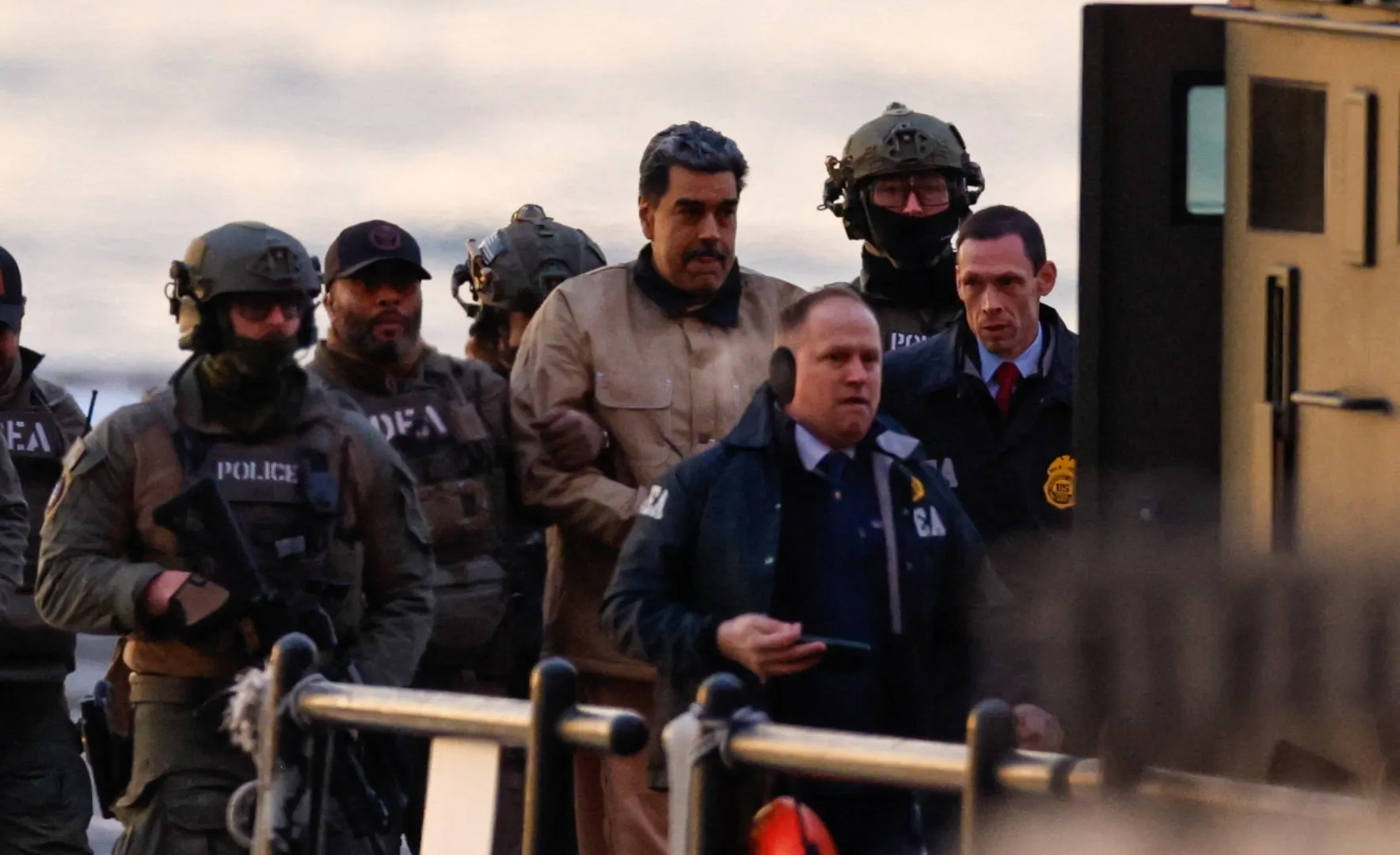
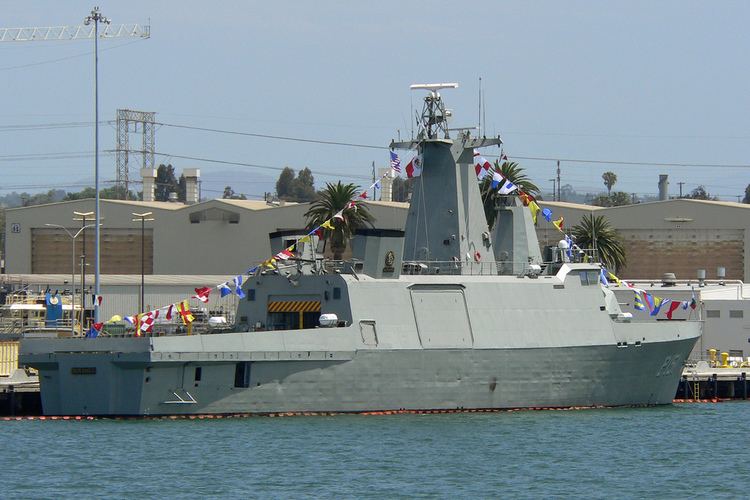
SF Bay Area, CA – Assertively, the US is forcing Cuba to rival against the West while resting at-ease with control of Venezuelan oil reseviors. Specifically, the trial of Nicolas Maduro and the indictment of Raul Castro demonstrate the political motivations behind rising pressure to replace the US dollar as a reserve currency. Inevitably, the US has established an irreversible standoff in Cuba with a naval blockade of the island which has engendered an energy crisis. Simultaneously, Cuba remains central in cooperation through the Panama Canal which links the Pacific Ocean to the Caribbean Sea.
Methodically, rivalry against the West in Cuba is substantiated with replacing the dollar as a reserve currency as cooperation to end the US naval blockade of the island ignites. Furthermore, joint naval exercises for establishing the BRICS Security Council generates expansion of modernized air-defense systems to neighboring states along the Panama Canal.
Essentially, Cuba is a member of CELAC making the island nation a strategic partner with its defense industry. Clamorously, the US has issued a warning about blocking the payment systems of Cuba which has attracted several banks that use BRICS payment system alternatives. Typically, military cooperation with Cuba produces both political and economic advantages against the West and weighs on global security. Such opportunities have emerged with the Cuban energy crisis which is a prelude to the formal establishment of the BRICS Security Council.
| Keywords: | Cuba |
Raul Castro |
BRICS Security Council |
[Top]
Indo-European Pass
|
 |
 |
 |
|
Gallery
|
|
|
|
Israel-Iran War Renews Regional Political Shift
22.06.2026
21:53 PST
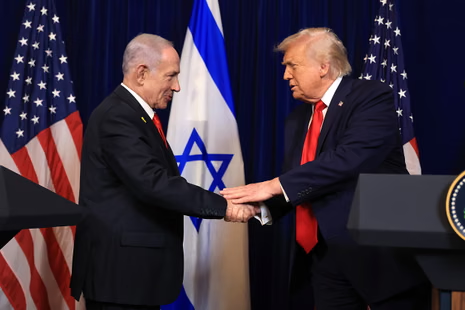
SF Bay Area, CA – Infinitely, the Israel-Iran war is shifting geopolitical ties in the aftermath of an exploding crisis over western military aggression over the Strait of Hormuz. Synchronously, momentum has been established from the Persian Gulf for greater cooperation with Iran over maritime security protocols. Supportively, Qatar has denounced Israeli military occupation in parts of Lebanon as calls for a permanent end to hostilities illuminate a growing political shift throughout the region. Innately, reconstruction accompanies any renewed attempts for a memorandum of understanding (MOU) between the US and Iran which has collapsed while tensions escalate in the entire region.
Squarely, reconstruction weighs against Israeli military occupation in Lebanon (and Syria) while adding fuel to any possibilities of a future agreement between the US and Iran. Proportionally, political ties in the Middle East are shifting from regional reconstruction projects on the horizon to ease the strain behind the US move to blockade the Strait of Hormuz.
Pertinently, Qatari Prime Minister Al Thani stated, “The outcome of any agreement between Iran and the US would affect not only the two parties, but the region.” Transversely, the eradictated MOU between the US and Iran was based on the committment to provisional clauses such as: the withdrawal of US troops from the area, Iran's continued sovereignty in the Strait of Hormuz, and unfreezing Iran's financial assets. Expressly, maritime security for the Strait of Hormuz is driving the regional political shift as woes over the US naval blockade against Iran subside. Resolutely, a political shift in the Middle East foreshadows reconstruction and economic integration with the Organization of Arab Petroleum Exporting Countries (AOPEC) which is rich in mineral resources.
| Keywords: | Strait of Hormuz |
Iran |
economic terrorism |
[Top]
Israeli Military Occupation in Lebanon Inhibits Peace Agreement
23.06.2026
12:04 PST
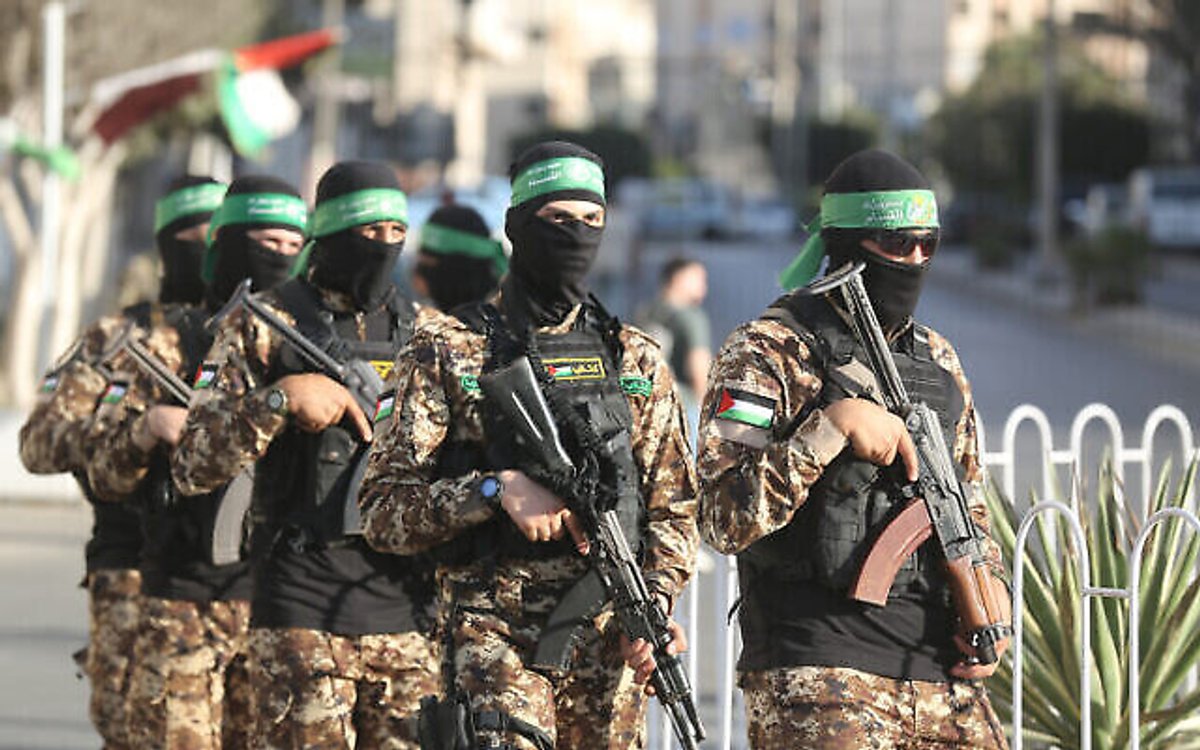
SF Bay Area, CA – Inevitably, Israeli military occupation in Lebanon is facing irreversible resistance as the ceasefire agreement between the US and Iran became nullified. Aptly, Hezbollah Secretary-General Sheikh Naim Qassem professed, "We are now in a new phase in the history of Lebanon, its Resistance, its army, its people, and its future, a phase called 'Breaking the Israeli Project." He added, "This does not mean they will not try again or that there will not be other phases, but there was a major project called the military, political, cultural, social, and human elimination of Hezbollah, and erasing its existence and the existence of all those with it on the path to Greater Israel. This project has been broken."
Steadfastly, Israel is objecting to calls for a withdrawal in southern Lebanon while using conventional tactics in raiding towns and villages. Adversely, Israeli occupation in Lebanon and Syria strains regional stability which has impeded peace negotiations.
Economically, Israel is aided by a naval embargo occuring from the Strait of Hormuz in an effort to protect dollar expansionism with a fragile NATO realignment scheme. Partially, economic ties to Israel mirrors various forms of economic terrorism which undermine efforts to establish a peace agreement with Iran. Likewise, military tensions from Lebanon has proliferated highly advanced weapon systems to maintain resistance against destabilizing ties with Israel. Accordingly, Egypt is pursuing long-term maritime security policies in the Middle East which remain independent of NATO defense strategies.
| Keywords: | Lebanon |
Hezbollah |
[Top]
Syria Remains in the Crossfires of the Israel-Iran War
09.05.2026
21:47 PST
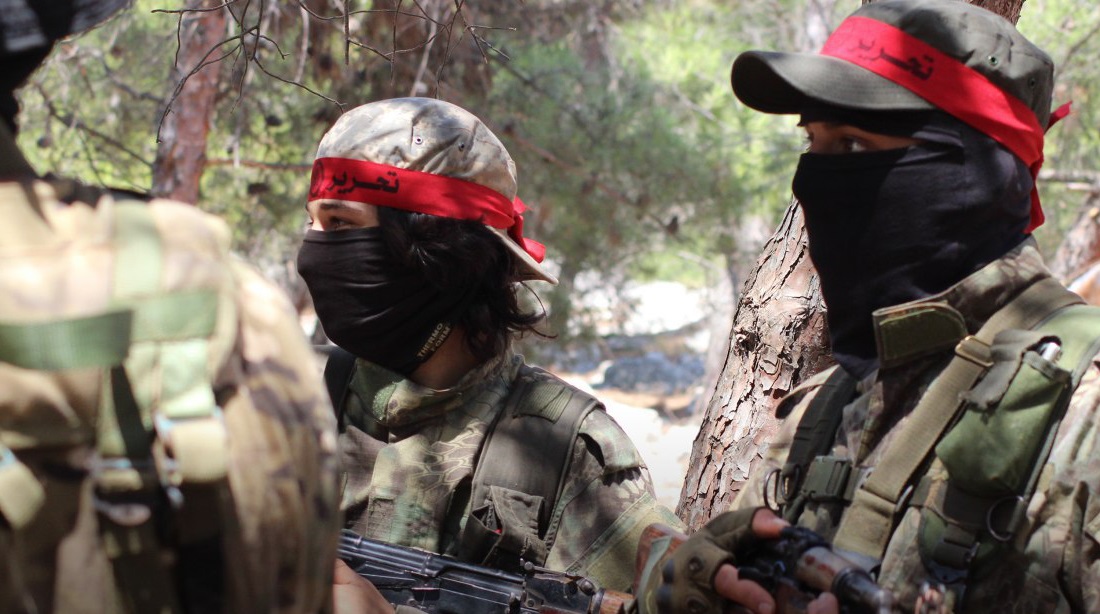
SF Bay Area, CA – Restfully, Syria relinquished Mount Hermon (the highest peak in the region) to Israeli military aggression which extended its reach within Damascus city limits. Quietly, Israel has infiltrated strategic Syrian highlands and energy corridors which adjoin Lebanon, Jordan and Iraq. Patently, Israeli Prime Minister Benjamin Netanyahu has ordered military attacks deep into Syrian territory since the fall of former President Bashar al-Assad. Primitively, mobilized Israeli infantry fighting squads are subjecting Syria to the crossfires of the Israel-Iran war with conventional raids. Inertly, Syria’s ruling militant group Hay’at Tahrir al-Sham (HTS) is seeking an agreement with Israel as hostilities from Lebanon involves Iraq.
DETAILS TO FOLLOW
| Keywords: | Syria |
Israel-Iran war |
[Top]
Egypt and Turkey Expanding Military Ties
10.07.2026
17:53 PST
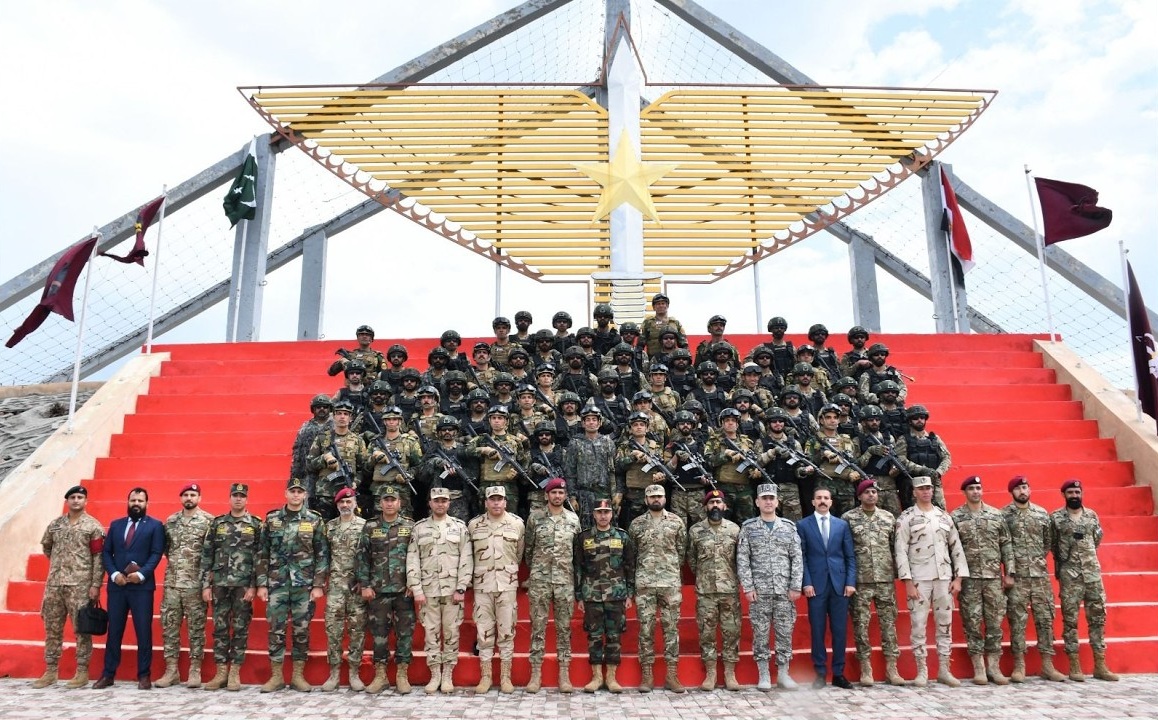
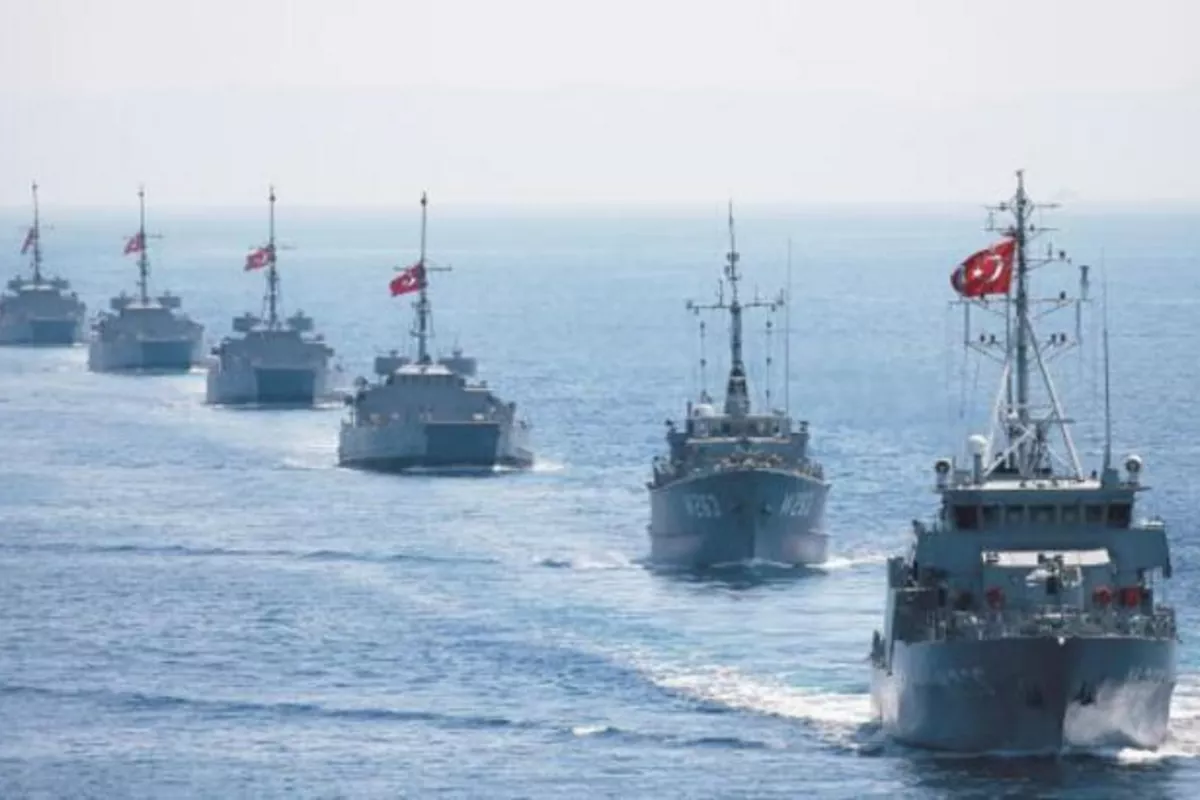
SF Bay Area, CA – Tentatively, Egypt is underscoring NATO expansionism through stronger defense ties with Turkey as normalized ties to Israel proves to be unviable. Regionally, Egypt is shifting and posturing with elevated crisis response readiness as deeper military cooperation in Turkey outweighs a peace agreement between the US and Iran. Domestically, Egypt inaugurated the Strategic Command Headquarters and New Administrative Capital in a move which expedites maritime security to alleviate drug and weapons trafficking. Expressly, the new headquarters serves as a central command-and-control hub linking the military, ministries, governorates, government agencies, and other state institutions through secure communications and information networks.
Unconditionally, joint military exercises between Egypt and Turkey stabilizes a twisting energy crisis during the wake of regional recovery. Predominantly, US oil majors are facing major turbulence in the Middle East which counteracts the extent of its sanctions regimen on petroleum.
Hence, strategic military ties between Egypt and Turkey enhances energy security as the Iran-Israel war decimates expansion in the Middle East for US oil majors. Additionally, energy security has enthralled Turkey which imports oil from Russia, Iran and Azerbaijan. Methodically, military exercises which include close air support missions between Egypt and Turkey expands cooperation for regional recovery. Extensively, the two nations are expected to modernize air defence capabilities with lasers for directed energy as support in a multi-layered defense system. Fiscally, stronger military ties between Egypt and Turkey is reinforcing alternatives to US sanctions as demand for superior air defense technology increases.
| Keywords: | Egypt |
Turkey |
maritime security |
[Top]
The Caspian Corridor
|
 |
 |
 |
|
Gallery
|
|
|
|
Kazakhstan Extending Regional Financial Network to Afghanistan
12.07.2026
07:33 PST
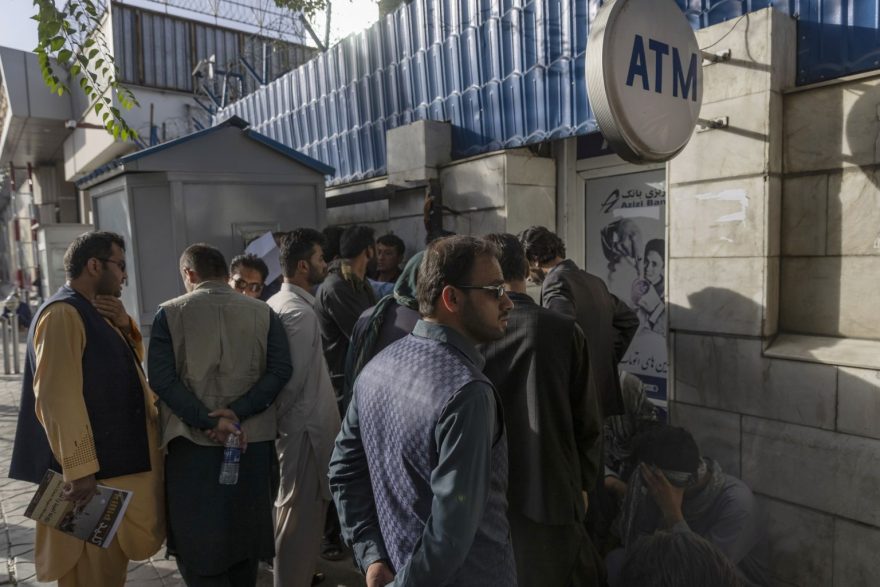
SF Bay Area, CA – Demandingly, Kazakhstan is establishing long-term economic cooperation with Afghanistan for several regional factors such as: to combat narcotics trafficking and create transit hubs while balancing international trade. Recently, a Kazakh delegation led by the Deputy Prime Minister and Minister of National Economy resumed high-level talks in Afghanistan. The two nations discussed a roadmap for generating over $3 billion to balance regional trade gaps. Notably, Kazakhstan has begun expanding national retail networks in Afghanistan's agricultural sector as a provision for the grain market.
Similarly, the recent visit signals a strategic shift for Afghanistan's rich mineral deposits as mining copper, gold, uranium and lithium adds to the supply of precious gems and metals. Pertinently, the two nations agreed on advancing cooperation in both aerospace and nuclear technologies which levels demand for a nitrogen plant.
Astutely, both nations agreed on cooperation for irrigation networks with systems that raise water management standards to expand water treatment facilities. All of these actions are designed to counteract western economic sanctions against Afghanistan. Thus, efforts of maintaining connectivity with the European Union becomes overshadowed with the development of transit hubs to Asia. Definitely, Kazakhstan is mobilizing an institutional platform to renew a financial network through the new Regional Center for the Sustainable Development Goals for Central Asia and Afghanistan. The new institution was sign into Kazakhstan law in 2026 by President Tokayev.
| Keywords: | Afghanistan |
Kazakhstan |
mineral deposits |
[Top]
Kazahkstan Builds Economic Cooperation with Iran
13.07.2026
03:09 PST
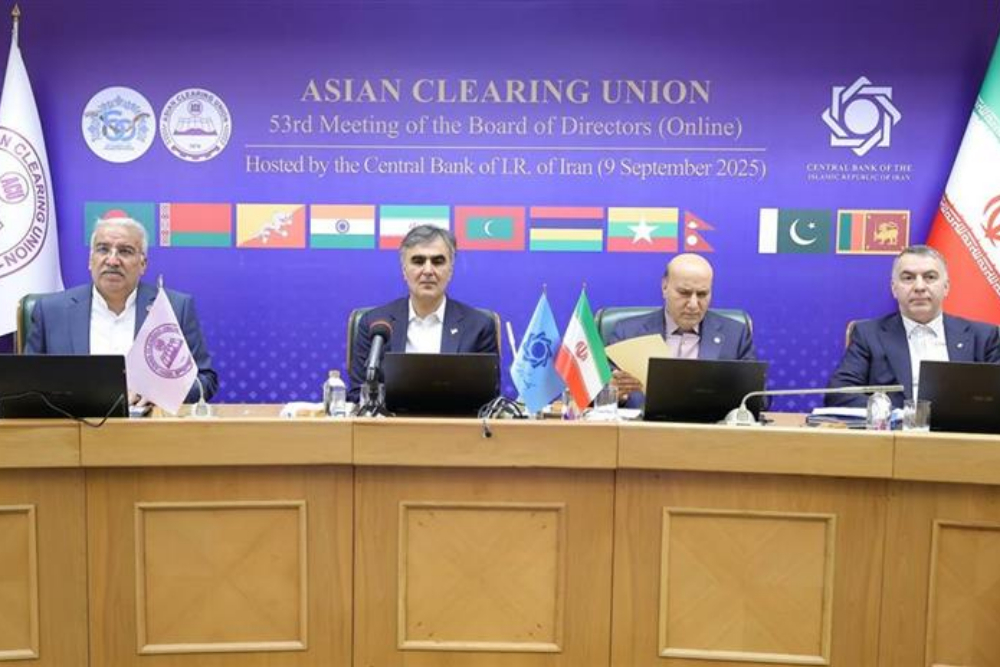
SF Bay Area, CA – Securely, Kazakhstan has signed an agreement to build and manage a transportation and logistics terminal in Bandar Abbas which is Iran's largest port. Sagely, the Ports and Maritime Organization of Iran hosted a ceremony as an agreement with Kazakhstan for construction and administration of the strategic port was signed. Appropriately, the agreement envisions building a commercial network to generate growth for the Caspian Five market within three years of completed construction. Essentially, the agreement is also expected to raise regional productivity as Kazakhstan exports reach the entire Persian Gulf market with passage to South Asia, Southeast Asia, and East Africa.
DETAILS TO FOLLOW
| Keywords: | Caspian Five |
Ports and Maritime Organization of Iran |
[Top]
Israel-Hamas War Intensifies Over Gaza Strip
13.05.2026
17:09 PST
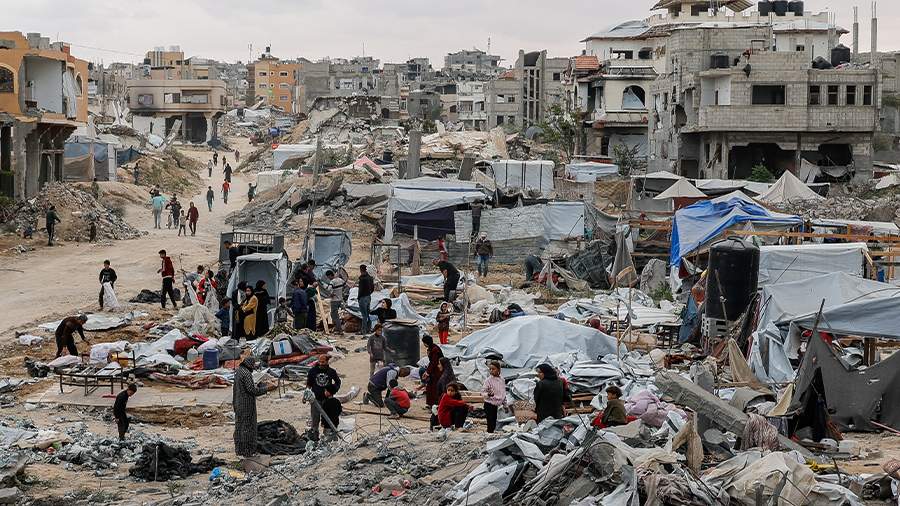
SF Bay Area, CA – Subjectively, Israel is pursuing to build the Land of Israel from illegal zionist settlements in the West Bank to participate with Brexit and amplifly US freedom of naval navigation claims. Collectively, illegal Israeli settlements in Syria and the West Bank is transitioning the Israel-Hamas war into a greater regional war dating back to the British-Afghan War of 1919. Prominently, the Emirate of Afghanistan Amanullah Khan pronounced the holy war of Jihad against the British empire as an effort to retake former Afghan provinces west of the Indus River. Notably, the Israel-Hamas war is marked with history which has long-term consequences for near-sighted peace proposals.
Trivially, Nickolay Mladenov, the top US diplomat brokering for a ceasfire has insisted Hamas disarms against Israel which has annulled the 1993 Oslo Accords. Deliberately, Israel has imposed military occupation with extensive raids through Syrian villages as the International Board of Peace remains partial to feeble peace proposals.
In fact, the perceived Board of Peace does not intend on holding Israel accountable to any cease-fire agreement with Hamas. Inherently, the Israel-Hamas war is intensifying over the termination of the Oslo Accords which elucidates a greater transitioning war over US freedom of naval navigation. Separately, the Gaza Strip is designated as a high-risk military zone and remains the epicenter of future arms races against zionism. Equitably, illegal Israeli military occupation is linked to US economic terrorism which fuels the transitioning war against Hamas. Finally, the Israel-Hamas war unveils a deep rooted declaration of war as the Gaza Strip eclipses US freedom of naval navigation claims.
| Keywords: | Israel-Hamas war |
West Bank |
Gaza Strip |
[Top]
Uzbekistan Establishes Deeper Ties with Turkey
14.07.2026
18:37 PST
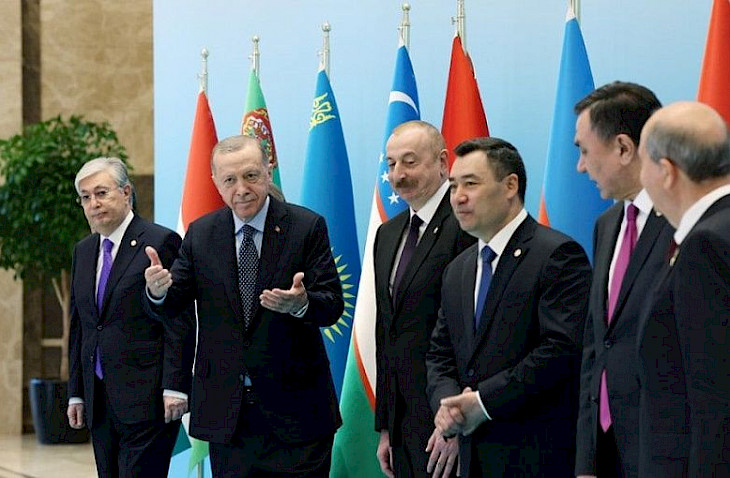
SF Bay Area, CA – Discreetly, comprehensive strategic partnerships are transforming Central Asia as economic expansion opportunities exists with climate security. Bilaterally, Uzbekistan and Turkey are pursuing deeper ties in culture, education, science, and tourism while gaining momentum for climate security related initiatives. Mutually, the two nations have assessed preparations for the Organization of Turkic States (OTS) Summit which will include discussions for expanding the Turkic Silk Road. Ostensibly, the framework for ongoing ministerial and working group level meetings are maintained with a vast number of regional projects.
Manifestly, bilateral ties between Turkey and Uzbekistan has invigorated climate security and is stabilizing the energy market. Technically, international payment alternatives accommodate regional development as US economic sanctions prompt strategic planning and deeper ties within OTS member states.
Recognizably, artificial intelligence & digital transformation rank the highest of priorities among leading industries in Central Asia. Conversely, Uzbekistan is expanding deeper ties into China with plans of raising revenue from IT services to over $5 billion USD by the year 2030. Innately, Uzbekistan is developing a master plan for expanding digital technologies with tourism in the mountainous areas. Integrally, similar planning is shaping through an agreement to utilize the Iraq-Türkiye Crude Oil Pipeline with the Development Road Project in Turkey. Temperately, Turkey has established economic cooperation in Iraq while increasing energy security for OTS members.
| Keywords: | Organization of Turkic States |
Turkic Silk Road |
[Top]
The Bengal Express
|
 |
 |
 |
|
Gallery
|
|
|
|
China Streamlines Climate Related Development Projects
20.07.2026
01:34 PST
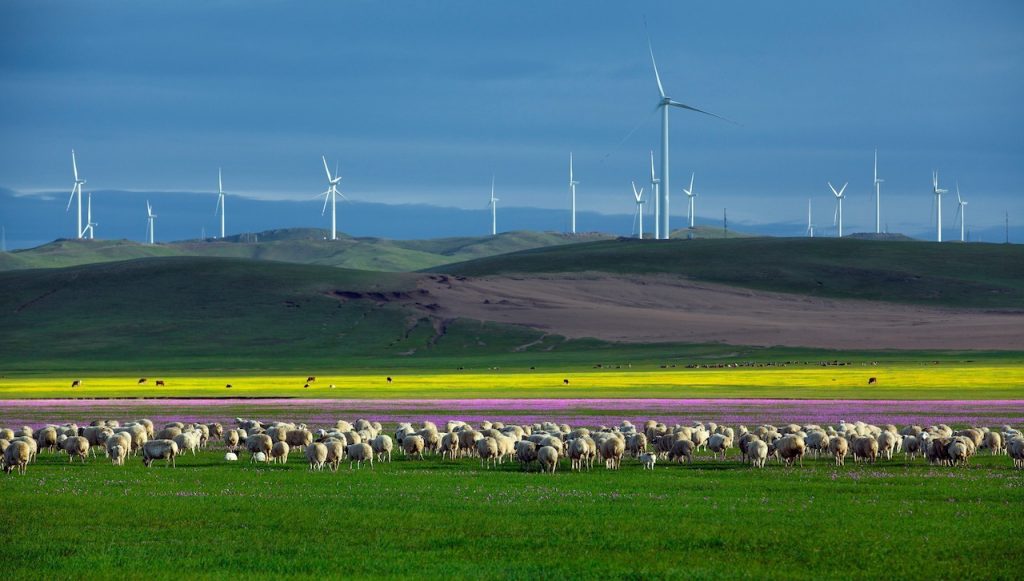
SF Bay Area, CA – Entirely, China is gearing up with economic expansion while streamlining climate related development for green, smart and efficient projects. Matchlessly, China has targeted Inner Mongolia for high-quality development while advancing the corridor economy with New Silk Belt and Road funding. Expediently, cooperation for building a China-Mongolia-Russia Economic Corridor is illustrated with establishment of international logistic centers making profits in non-ferrous metals. Such practice drives momentum for deeper port related bio-friendly regional expansion projects which are implemented in the five year strategic plan .
Collectively, China's Ministry of Ecology and Environment has outlined key milestones for the 2026 - 2030 timeframe such as: improving environmental protection, construct water treatment facilities and safeguarding soil quality.
Resourcefully, China's Ministry of Water Resources has outlined an action plan to enforce flood control in coastal ports and areas that extend from major river basins. Ingeniously, China has produced a three-tier system of assessing, monitoring and improving regulations that expedite climate related development while building national hydrological networks. Affectedly, China's capital markets expect continued growth from holding stocks of central state-owned enterprises (SOEs) as climate related development streamlines productivity. Pretentiously, China has directed development for the Inner Mongolia Autonomous Region to match the industrial output of regional hubs from cross-border commerce.
| Keywords: | China |
Inner Mongolia |
New Silk Belt and Road |
[Top]
US Scrambling to Uphold Air Defense Capabilities
21.07.2026
01:14 PST
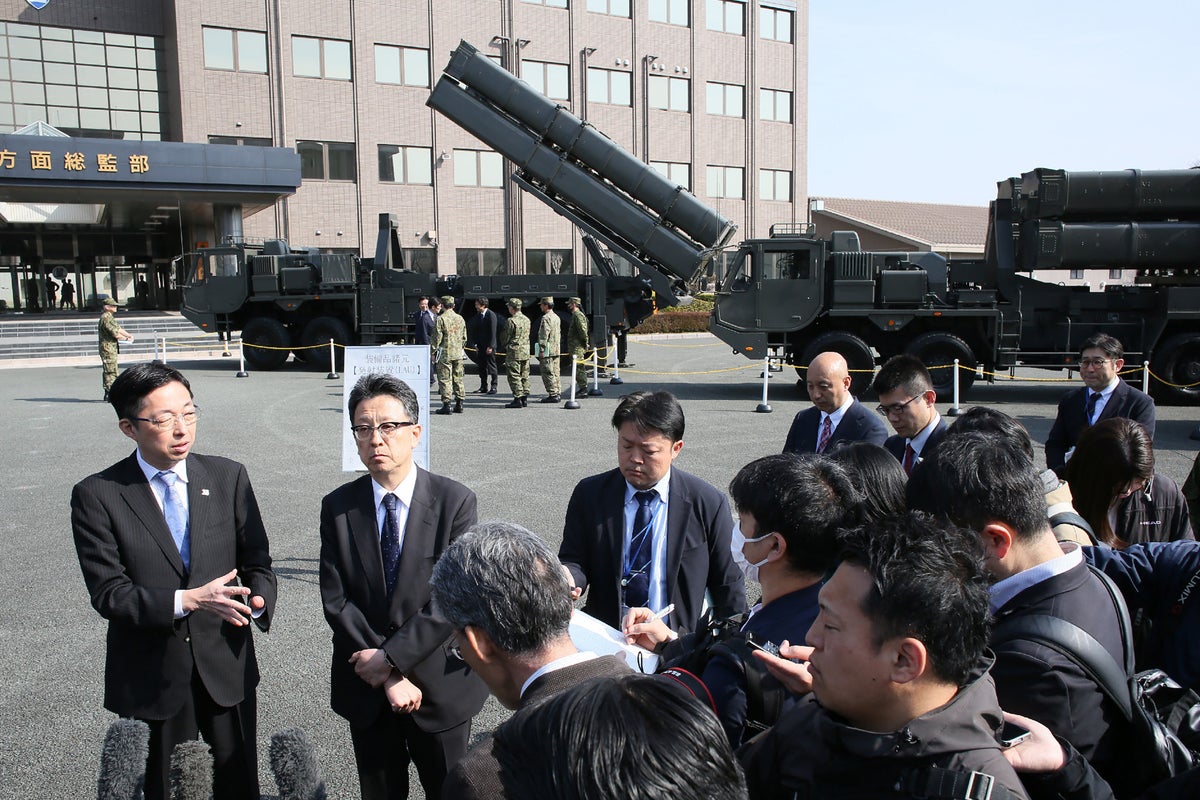
SF Bay Area, CA – Defensively, the US is facing an urgent rise in the demand for additional air defense systems among allies as nuclear tensions remain at bay over an elapsed New START Treaty. Figuratively, the potential for a new treaty between the US and Russia has flattened over a US delay in delivering hundreds of Tomahawk cruise missiles to Japan. Jointly, deployment of Tomahawk, THAAD and Patriot missiles to Japan, South Korea and the Philippines has restrained NATO through licensed agreements to manufacture substandard US missiles.
DETAILS TO FOLLOW
| Keywords: | Tomahawk missile |
THAAD missile defense |
Patriot missile |
[Top]
Japan Develops a New Alternative Energy Strategy
08.04.2026
21:43 PST
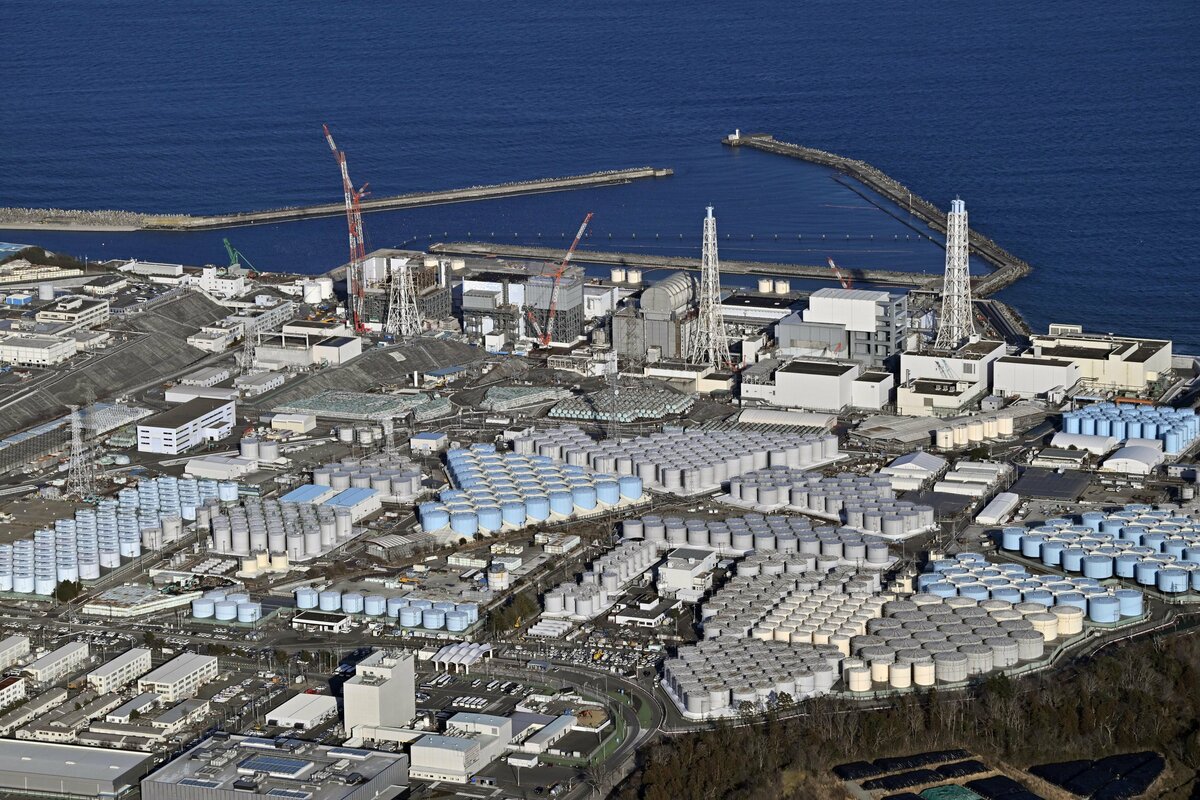
SF Bay Area, CA – Strategically, establishing alternative energy resources paves the future for energy consumption in Japan which faces major hurdles over the Israel-Iran war. Likewise, the aftermath of the Fukushima nuclear disaster illustrates the significance of energy reform for renewable energy in Japan as import costs rise. Appropriately, Japan is committed to reaching net zero emissions by the year 2050 which sets a major industrial standard for neighboring economies. Meanwhile, outdated economic mechanisms such as Feed-in Tariffs (FIT) is jeopardizing mediocre energy policies from the West over the wake of the Israel-Iran war.
Extensively, Japan leads the liquified natural gas (LNG) market through imports from Australia and the Middle East while avoiding economic disruption risks and suppressing volatility with energy security. Steadfastly, Japanese Prime Minister Sanae Takaichi stated, "As a result of progress securing alternative supplies, we now have clear prospects of ensuring oil supply beyond the end of the year while keeping releases from reserves to a minimum."
Significantly, Japan remains focused on extending its oil reserves beyond the current levels as the state ranks 5th internationally in oil consumption. Additionally, energy consumption in Japan weighs against energy security imbalances which pose a threat over the rising cost of importing energy. Relevantly, new alternative energy sources such as hydropower, wind power and nuclear power adds to the call for a supplemental budget in Japan. Accordingly, Takaichi mentioned that Japan will, "remain flexible and respond as appropriate without ruling out any options". Notably, Japan remains open to energy alternatives while securing key commodities with a newly appointed industry minister.
| Keywords: | alternative energy |
liquified natural gas (LNG) |
oil |
[Top]
Japan Commits To Deeper Defense Ties With Australia
09.04.2026
11:30 PST
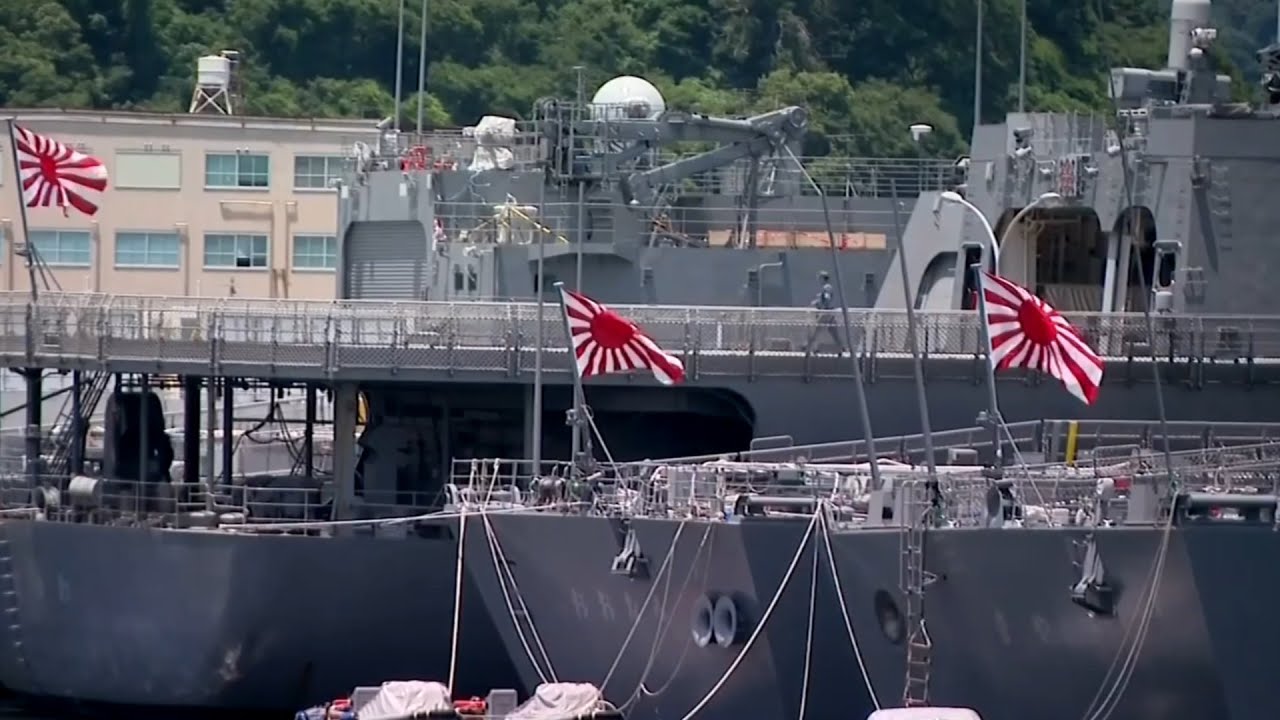
SF Bay Area, CA – Economically, the US is engaged with posturing for stronger defense ties between Japan and Australia while escalating tensions in North Korea over ongoing military drills. Furthermore, Japan is providing drone support to Ukraine in the shadows of the Israel-Iran war as new concerns grow over deeper defense ties to Australia. Moreover, Japan and Australia have agreed to seek solutions to growing regional challenges facing the two nations over unification in both Korea and Taiwan. Rationally, Japanese Defense Minister Shinjiro Kiuzumi expressed, "Although the Middle East has been garnering global attention, we must not allow a vacuum to be created in our security in the areas around Japan and Indo-Pacific." He added, "In this sense, the visit of Minister Marles has made the very timely meeting, sending important messages to turn the eyes of allies and like-minded countries to this region."
DETAILS TO FOLLOW
| Keywords: | Japan |
Australia |
Quad 4 |
[Top]
[Top]
 Situation: Central Basin
"BRICS Security Council emerging from cross-currency evaluations (TOIL)"
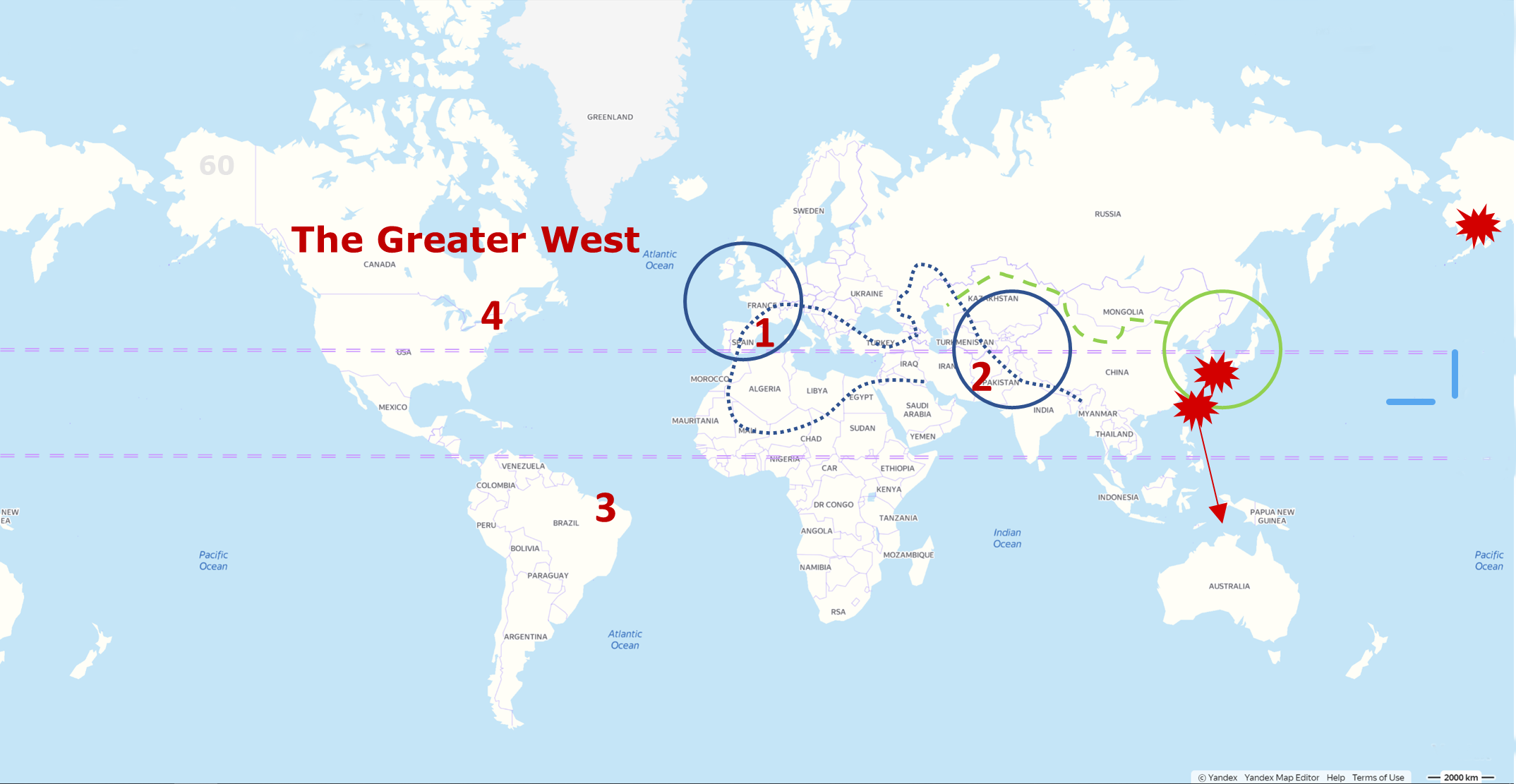
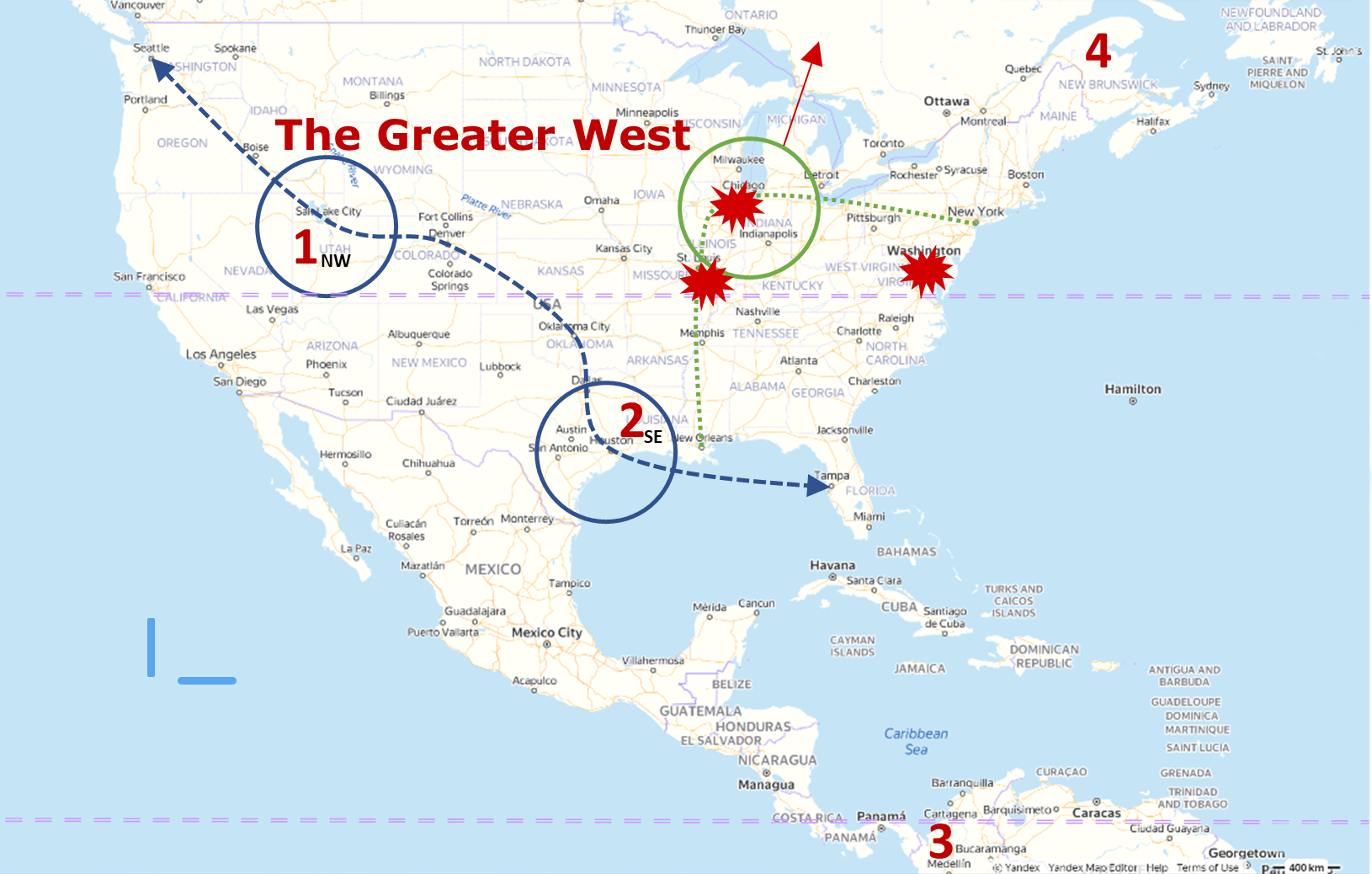
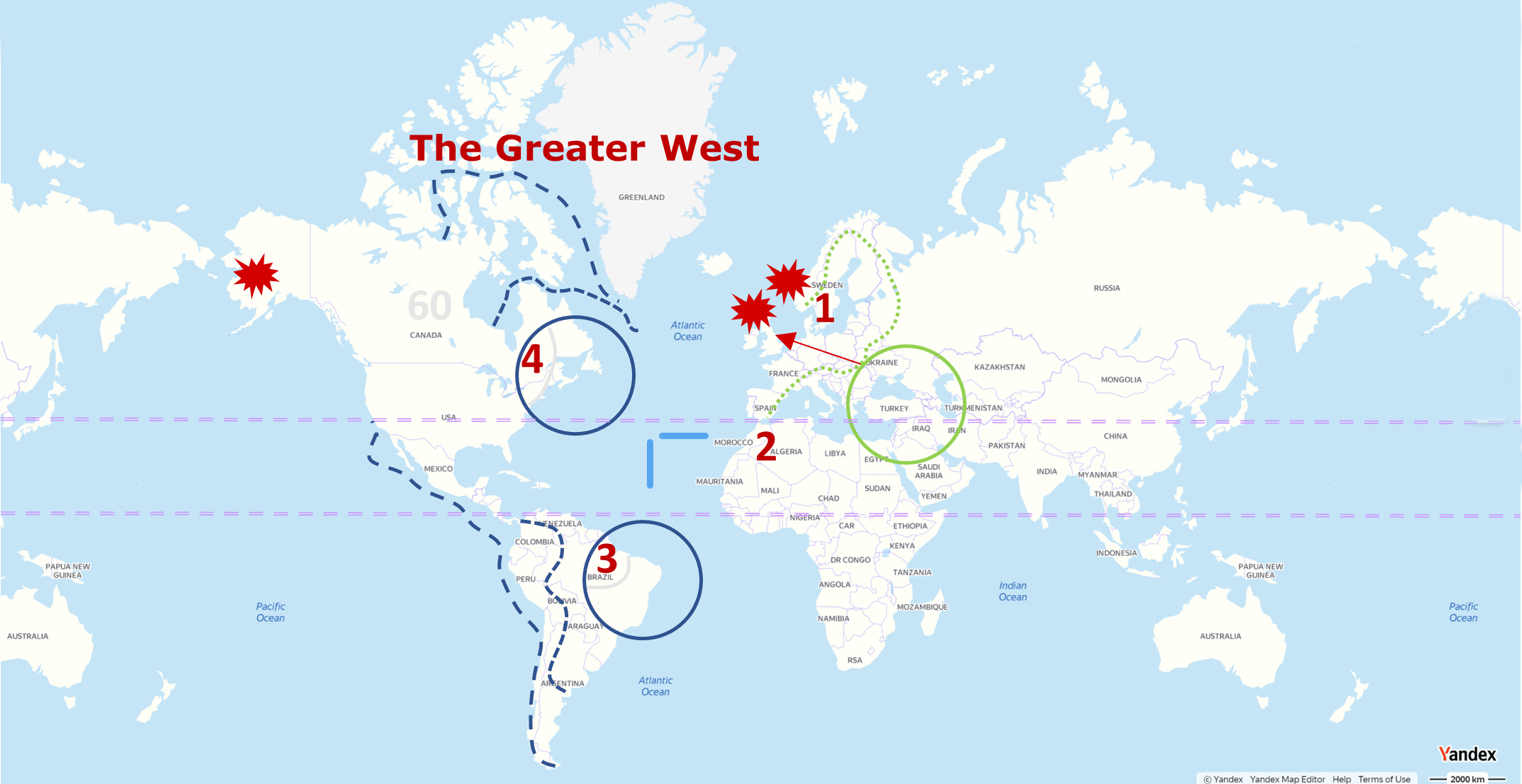
OPEN Start: Central Basin - is an engineering vessel which is proven with climate security in evaluation of the USD/YEN currency pair. Annually, climate security is leading economic growth in key emerging markets surrounding the Four Asian Tigers. Affordably, the following industries extend opportunities for military cooperation in: aerospace, telecommunications, finance and banking. OPEN Start: Central Basin strengthens the backbone for international security beyond the shadows of USD/YEN controversy. Traversely, OPEN Start: Central Basin offsets the cross-over gap between the USD/MXN and USD/RUB exchange rates. Notably, the Three Amigas form an economic alliance in the Far West through joint-cooperation projects from Venture 1, Venture LA and Venture SF which all extend with the Far North reach towards the Far South (as illustrated below).





 ATG
ATG  DVN
DVN  TEN
TEN  3KN
3KN
JanuaryFebruaryMarchAprilJuneJulySeptemberOctoberDecember |
2026 Group Drills - ScheduleFar East
|
|

 Bottom Line Drill
JanuaryFebruaryJuneJulyAugustOctoberNovemberDecember |
2026 Group Drills - ScheduleFar South
|
|

 Per-Day Drill
JanuaryFebruaryJuneJulySeptemberOctoberNovemberDecember |
2026 Group Drills - ScheduleFar North
|
|

 Rules of Engagement Drill