|
2nd Semi-Annual
| 2025 |
 "We Never Quit... We Lead!"
 My HomeTown






 |
 |
 |
 |
 |
 |
 |
 |
 |
 |
 |
 |
 |
 |
 |
 |
 |
 |
 |
 |
 |
 |
 |
 |
 |
 |
 |
 |
 SOCIETY Trust Fund
LATPACT Trust Fund
Far West (SEZ) Trust
SOCIETY Trust Fund
LATPACT Trust Fund
Far West (SEZ) Trust
 START!
Deep Space Network Trust
M.A.P. Fund
RIM of Nations Trust
START!
Deep Space Network Trust
M.A.P. Fund
RIM of Nations Trust
 Talk Daily Commodities Review LATPACT Open Market Equities Report Currency Central
 Muni Index ₽
Muni-X Index $
Muni-Y Index ₨
Muni-Z Index ¥
The Muni Market Level 3
Muni Index ₽
Muni-X Index $
Muni-Y Index ₨
Muni-Z Index ¥
The Muni Market Level 3
|
| 2025 |
New Silk Road List
CIS List
Central Basin List
African Union List
TEN List
Lower Rhine List
 Municipal Portfolios Shades of Time
Baja707 2057
Sinaloa41 Land Constellation Networks CDMX249 Sea Havana00 Space Polar Arc Field
CEO Cornerstone
Municipal Portfolios Shades of Time
Baja707 2057
Sinaloa41 Land Constellation Networks CDMX249 Sea Havana00 Space Polar Arc Field
CEO Cornerstone  |

societycloud.org
|

societycloud.org
22nd CenturyBRICS Security Council |

societycloud.org
23rd CenturyBRICS Security Council |

societycloud.org
24th CenturyBRICS Security Council |

societycloud.org
25th CenturyBRICS Security Council |

societycloud.org
26th CenturyBRICS Security Council |
|
1dne.org 2030
centralbasin.org
Project 67
cylinder1.org 2025
societycloud.org 2040
Index Funds ₽
Spot-Funds $
Forward-Funds ₨
Swap-Funds ¥
The Muni Market
Arctic Pact Trade Zone | Upper Rhine Zone | Lower Rhine Zone | Middle Rhone Basin The 21st Century 















 Central Basin Fleet Rio Grande Basin
Colorado River Basin
Central Valley Basin
Beaufort Sea
Monterey Bay
Channel Islands
East Valley Division
Yangze River Delta
Yellow River Basin
Greater Khingan Range
Banda Arc
Greater Sunda Islands
West Valley Division
New Silk Road
Greater Mesopotamia
The Bengal Express
Global South
Asia-Americas-Africa (AAA)
Lena River Basin
Buor-Khaya Gulf
Venisey Gulf
Angara Range
Anabar Bay
Lake Baikal
Far West Division
Beagle Channel
Valdivia River Basin
Amazon Basin
Cordillera Blanca Range
Gulf of Guinea
Deep West Division
Central Basin Fleet Rio Grande Basin
Colorado River Basin
Central Valley Basin
Beaufort Sea
Monterey Bay
Channel Islands
East Valley Division
Yangze River Delta
Yellow River Basin
Greater Khingan Range
Banda Arc
Greater Sunda Islands
West Valley Division
New Silk Road
Greater Mesopotamia
The Bengal Express
Global South
Asia-Americas-Africa (AAA)
Lena River Basin
Buor-Khaya Gulf
Venisey Gulf
Angara Range
Anabar Bay
Lake Baikal
Far West Division
Beagle Channel
Valdivia River Basin
Amazon Basin
Cordillera Blanca Range
Gulf of Guinea
Deep West Division
|
City to City
|
Anbar Province is Epicenter to Ending Zionist Military Occupation 

 Comments
Article 1
Geographically, Anbar Province takes center stage for intervention in the wake of a very serious Israel-Iran war as the total eradication of Western-backed forces remains vital to the region. Immensely, the Western Euphrates river valley is symbolized as a pillar in northwestern Iraq while tensions rise between Israel and Iran. In fact, Western-backed forces are languished with exhaustion as the US attempts new political infiltrations against Iran which resemble the reminiscent transitional government policymaking days of Iraq. Significantly, the eradication of Western-backed forces in the Middle East encompasses integration with the Black Sea Economic Cooperation as regional stability in the Kurdistan region emanates from Iran. Accordingly, a subsequent makeshift power swing over Syria continues with rising tensions in Iran from normalization ties to Israel.
Specifically, the Israel-Iran war which initiated with the Israel-Hamas war resembles the Islamic State insurgency which occured in Anbar Province. Throughout the Islamic State insurgency, ISIL insurgents matriculated from Kirkuk which became a stronghold for the following militia groups (and political parties): Kurdistan Democratic Party, Patriotic Union of Kurdistan, Peshmerga, and the PKK among others. Consequently, retaking the Iraqi town of Al-Baghdadi included an immenent replacement of US forces. Synchronically, US air raids against ISIL insurgents illustrated a weakened political footprint for Western-backed forces as militia strongholds in Kirkuk, Diyala, Saladin and Sulaymaniyah were eradicated by the Iraqi government.
Unequivocally, major political power is achievable in northern Iraq behind the scenes of the Israel-Iran war. The primitive issue remains over foreign occupation in parts of Syria which reinstates factionalism while further impeding regional stability. Meanwhile, the use of naval air raids by the US serves as a catalyst for western European nations seeking gain from political power shifts over NATO expansion. At which point, US retaliation against Iran behind normalization policies for Israel abdicates economic stability for the entire region. Methodically, novice US air defense systems in Israel amplify tensions building from the ongoing Israel-Hamas war as a deeper arms race emerges with foreign occupation in the Middle East.
Extensively, the foregoing Israel-Hamas war earmarks the earlier Islamic State insurgency conflict within Iraq as the causes of the ensuing humanitarian crisis from Gaza embodies preeminent military occupation in parts of Syria. Independently, the ongoing situation in Gaza is fueling a pre-existing power struggle (dating back to the 70's oil crisis) and is implicit to Arabization. Moreover, the humanitarian crisis in Gaza is perpetuated as normalization policies for Israel remain at the epicenter of regional military tensions. Symbolically, a call-on Kirkuk (the inherent isolation of Syria from the Israel-Iran war) highlights a political plunder which can be linked to the aftermath of Brexit over growing US tensions with Iran. Yet, the Quad 4 (administrative) alliance is becoming another proving ground for a deeper arms race against the West which underpins the rebellious revolution reoccurring from Israel that includes Syria among other nations in the region. Economically, the new awakening in Kirkuk establishes a regional roadmap for recovery against the backdrop of US military threats, sanctions, and tariffs (as about half of Iraq's oil exports are produced in the lucrative Kurdish region). Additionally, Israeli occupation in Syria is targeted from US freedom of naval navigation claims; whereby, maritime tensions in the Persian Gulf have reached unprecedented levels.
Originally, regional tensions surrounding US freedom of naval navigation claims erupted within the political system of Kuwait as resistance to Arabization reached a peak during the Kirkuk status referendum. Auspiciously, military tensions remain lingering behind US freedom of naval navigation claims and are manifested through political ties with Kuwait. Furthermore, US energy sanctions against Iran (and Russia) have been determined by the most previous Israel-Hamas war and illustrates the capital flight risk associated with de-dollarization strategies over the subsequent Israel-Iran war. Furtively, the original Gulf war corrugated Kuwait with a surge of foreign military occupation which led to the fall of Saddam Hussein in the Second Gulf War and is fueling tensions over the current Israel-Iran war. Primarily, the regional roadmap to peace involves stabilization of the energy market as Kuwait remains in the crossroad of food, energy and climate security. Intrinsically, Kuwait predisposes outdated US freedom of naval navigation claims as tensions over normalization with Israel reignite the Iranian Revolution. Extensively, Iran's nuclear program continues to overshadow US defense capabilities as energy policies correspond with growing tensions from the Israel-Iran war.
Visibly, Kuwait is vital to economic expansion in the Persian Gulf as Iran devises a global strategy for cooperation and integration with West Asian economies. Adequately, Kuwait extends a global reach with Iran through cooperation from OAPEC while nullifying US energy sanctions that exacerbate regional recovery and fuels the Israel-Iran war. Strategically, Kuwait takes a significant role in regional cooperation with de-dollarization which involves the expanding arms races from the Israel-Iran war. Markedly, former Iranian Foreign Minister Hossein Amir-Abdollahian stated, "The realization of growth and development in the region and a bright future for our future generations is not possible except through brotherhood, friendship and cooperation." Resolutely, Kuwait weighs as a cornerstone against foreign occupation in the region while strengthening naval cooperation for OAPEC through joint maritime security exercises in Iran, Saudi Arabia, Egypt and India.
Chiefly, maritime security for OAPEC galvanizes the Persian Gulf as regional cooperation include improving air-defense capabilities to eliminate threats from Israel. Precisely, escalation of the Israel-Iran war elevates the regional arms race over US failure to extend the New START treaty with Russia. Adversely, the THAAD air-defense system used by the US in Israel, South Korea and parts of Europe is experiencing a shortage crisis. Expectedly, the Israel-Iran war implicates a deeper crisis surrounding Brexit as the West rely on diminishing air-defense capabilities. Exceptionally, Iran is supported with anti-missile defense technology which correlates to the implementation of supply chain economics proportionate to establishing distribution points for expanding regional ports. In the wider context of the Israel-Iran war, establishing a stronghold on distribution routes between Tyre, Sidon and Beirut reinforces anti-ship positions for Lebanon while targeting Israeli occupation in Syria. Particularly, the expansion of Iran's air-defense capabilities in Lebanon accelerates the establishment of distribution points which offset economic stagnation from US freedom of naval navigation claims. Solely, coordination and cooperation between OAPEC and OPEC eradicates Israeli aggression as tensions flare dating to the original Six Day war.
Globally, rising aggression from the US and Israel signify limited capabilities within the realm of the UN Security Council which is exposed to Brexit. Ultimately, mounting retaliatory strikes against Israel disclose evidence of deep seeded hostilities which point to the Six Day war. Distinctly, Israel attacks against Iran and Lebanon trace from US support with lack of resources to sustain a long-term war effort. Favorably, deep retaliation strikes against Israel defuses US naval hostilities as maritime security on the Persian Gulf reinstates long-term regional stability. Internationally, the Israel-Iran war encompasses a shifting momentum against politcal coalitions engineered through the UN Security Council. Hence, the strategic focus of the deep rooted regional conflict remains beyond the borders of Iran and Israel and is visible from Egypt. Duly, escalation from the Israel-Iran war detaches Egypt as maritime trade becomes impeded between the Suez Canal and Strait of Hormuz. In tandem, President Abdel-Fattah Al-Sisi stated, "We hope that this war will stop soon, although I doubt this will be possible." He added, "People should be confident that no one will be able to harm Egypt."
|
**Swap Funds: 0 |
🡄 🡆 |
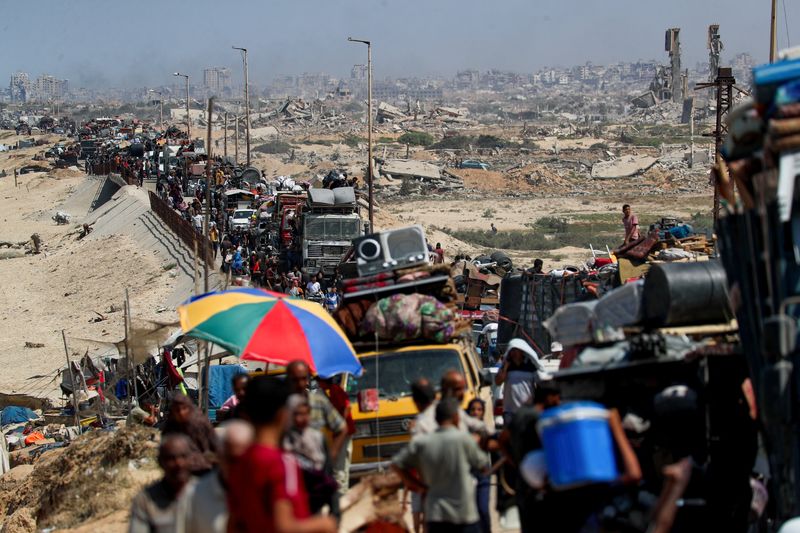
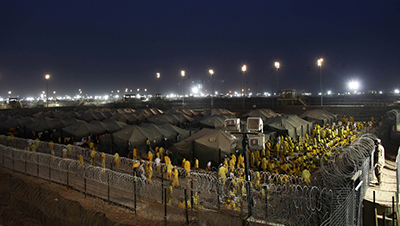
Typically, maritime security between the Suez Canal and Persian Gulf involves a deep financial stake in the energy market which is demonstrated through the Israel-Iran war. Inordinately, beyond the immediate borders of Egypt arises the turmoil from Israel as international scrutiny intensifies and flare over ever-increasing military raids beyond the West Bank. Aggressively, Israel has flanked military ranks toward southern Lebanon from raided villages in the West Bank. Persistently, Israeli forces subvert attempts to normalize regional ties as the deadly West Bank raids are linked to foreign occupation in parts of Syria. Savagely, rising military tensions between Israel and Lebanon retraces former US occupation in Iraq as hostilities surge from the Persian Gulf over US naval air raids. Tremendously, Egypt injects regional scrutiny over the Israel-Iran war beyond the borders of Iraq while extending a stronghold within Yemen. Centrally, Yemen is capable of securing maritime trade expansion through the Persian Gulf and the Horn of Africa while boosting ties with Saudi Arabia.
However, Yemen is challenged with regional security over unrest from the Ansarullah resistance movement which maintains control of the Aden port from various locations. Divergently, the Ansarullah movement reduces the global scale of financial obscurity in Yemen over prolonged military occupation from Israel. Potentially, mobilization and collaboration on the Red Sea adds momentum to stabilizing the Persian Gulf while regional ties improve through securing peace in Yemen. Expansively, US claims for freedom of naval navigation and air defense systems are targeted through the Red Sea and Gulf of Aden as maritime trade developments improve with Egypt. Moreover, Egypt is shoring up security guarantees on the border lines of Israel which includes mobilization throughout the Jordan Valley Rift to boost military integration in the region. Assuredly, Egypt is solidifying military integration within OAPEC while spurring development for hybrid energy solutions through climate security for the Red Sea fleet.
Distinctly, economic stability brings an end to military occupation for Israel as joint maritime security includes integration with Lebanon. Manifestly, maritime security for the Persian Gulf increases from the establishment of joint security zones (JSZs) with distribution points which link Damascus, Beirut and the West Bank. Auspiciously, Damascus remains vigilant against criminal military occupation from Israel through intelligence and arms trading in Lebanon. Indifferently, Damascus is maintaining connectivity to supply weapons, equipment, and food from distribution points in Lebanon as aid for the Gaza Strip. Aggresively, Damascus has sapped numerous Israeli air raids in times past which enables the Arab League, OAPEC and GCC to stabilize maritime trade while establishing distribution points for the Damascus, Beirut and West Bank JSZ.
Proficiently, a solution for the Israel-Iran war is visible through the formation of the West Bank JSZ which initiates supply and aid distribution points in Damascus. Appropriately, advanced military research and regional development for the Caspian Five economies is intertwined with maritime security through the Jordan Rift Valley. Resourcefully, Syria is capable of extending local port security protocols to the Arab League for acceleration of the West Bank JSZ as Israeli military aggression reaches its economic limit. Assertedly, Damascus is maintaining regional ties with isolation of the US over a drifting Israel-Iran war. Hastily, Israel has occupied parts of the West Bank which has now transformed the preceding war against Daesh and the US. Definitively, establishing climate security through the Jordan Rift Valley, the Dead Sea Rift and the Red Sea Rift subjects Israel's eastern border. Timely, a glimpse from Tikrit enables a unified response to the Iran-Israel war over military aggression and occupation in Syria which persist with US freedom of naval navigation claims.
|
**Forward Funds: 0 |
🡄 🡆 |
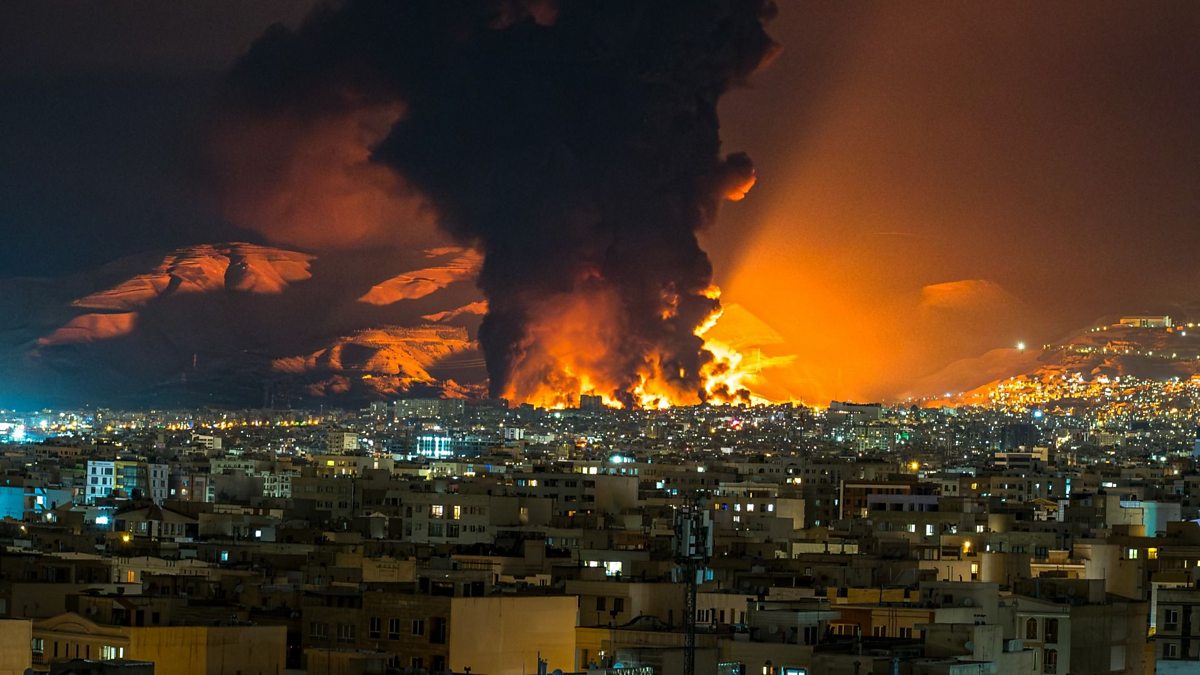
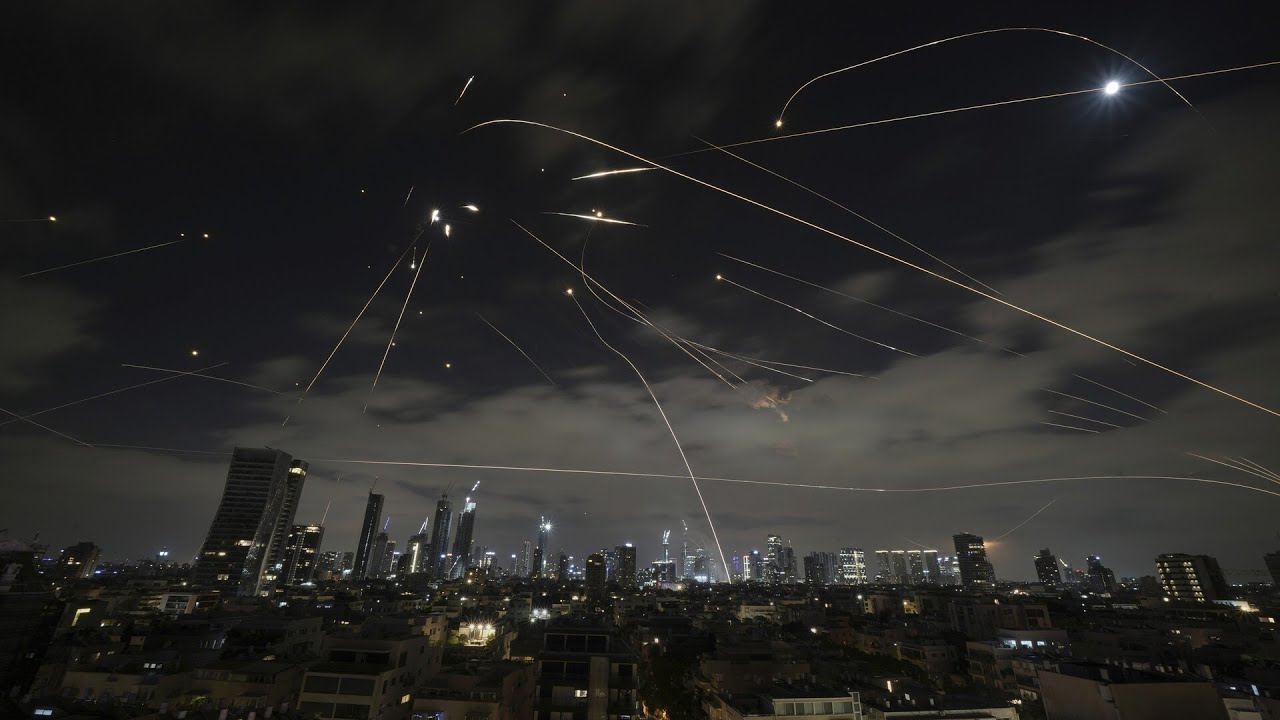
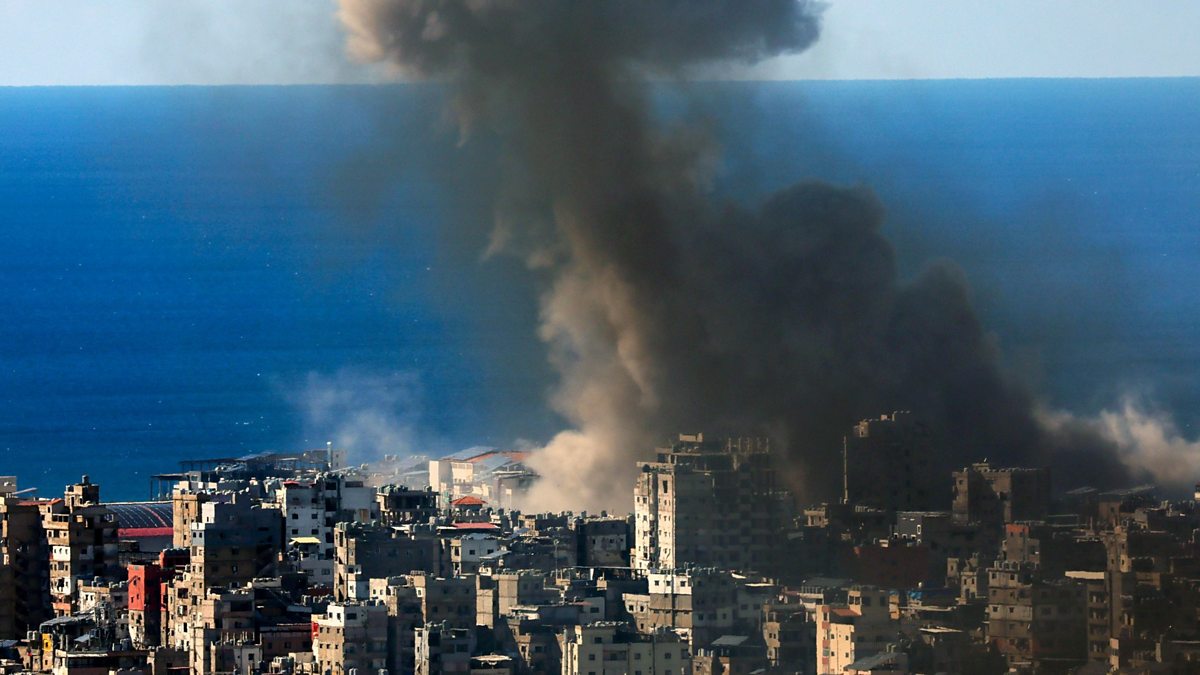
Distinctly, Tikrit is located in the heart of Iraq and remains a major hub for the Iraqi Islamic Resistance which has expanded to over 8 paramilitary political parties since the preceding war against Daesh. Inordinately, Tikrit was marked with a northern offensive which led to the elimination of Daesh and is slated for a resurgence of Popular Mobilization forces over the Israel-Iran war. Subjectively, the 2014 northern offensive in Tikrit reflects a benchmark from which the Popular Mobilization forces continue to accelerate from the jihadist movement over growing US military hostilities. Seperately, the present Israel-Iran war has generated wider capabilities for Hezbollah to include anti-drone warfare for anti-ship combat brigades.
Criminally, US forces continue to attack Iran in which the oil fields of regional US allies with Israel are subject to warfare. Gratingly, Popular Mobilization Forces are reaffirming strongholds alongside the border of Iran.
Exclusively, Tikrit remains significant in the battles between Israel and Iran for the following three reasons: its the birthplace of Sadaam Hussein, its the former stronghold of Ba'athist Iraq, and a major hub on the Tigris river. Moderately, the Iraqi Islamic Resistance movement in Tikrit is increasing rapid response and distribution networks through Syria over the Israel-Iran war. Jointly, military integration in Tikrit unifies air combat support as the Caspian Five economies exemplify modernized security for vital infrastructure. Unanimously, former Syrian Minister of Foreign Affairs and Expatriates Faisal Mekdad stated, "Syria and Iraq stand together in facing all common challenges." He added, "since what affects Syria affects Iraq and vice versa."
Peculiarly, Mosul maximizes regional stabilization with ongoing mobilization from the Iraqi Islamic Resistance movement while anti-US sentiment in Saudi Arabia, Jordan, Djibouti, Sudan, and Yemen ignites over the Israel-Iran war. Meticulously, the Iraqi Islamic Resistance movement has the capacity for chartering military cooperation within OAPECs footprint as integration with climate security includes the Caspian Five region. Commodiously, Mosul is saturated with a jihadist offensive which stretches from Afghanistan to Saudi Arabia and Egypt. Squarely, stabilization of the Suez Canal has eclipsed the Israel-Iran war which shifts special attention on Saudi Arabia.
Judiciously, the Iraqi Islamic Resistance movement summons for stabilization of the Suez Canal as momentum in Saudi Arabia accelerates maritime security. Likewise, expansion of the Iraqi Islamic Resistance movement reinforces the stronghold in Lebanon for Hezbollah.
Undeniably, stabilization for the Suez Canal diminishes the uncertainty of regional turmoil which underpin Western terrorist networks beyond the Sinai peninsula. Ostensibly, Hamas is rebuilding the political process in Palestine as Iran vows to continue the war against Israel. Diversely, the Popular Mobilization forces reaffirms regional military cooperation from Mosul as the Israel-Iran war weighs in Europe. Permanently, the Israel-Iran war earmarks the renewed regional offensive of the Iraqi Islamic Resistance movement which remains the epicenter for economic and trade stabilization.

Trails of the Century
Greater Mesopotamia  21st Century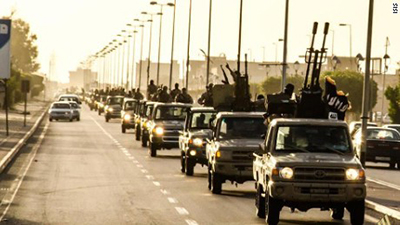
 Middle East